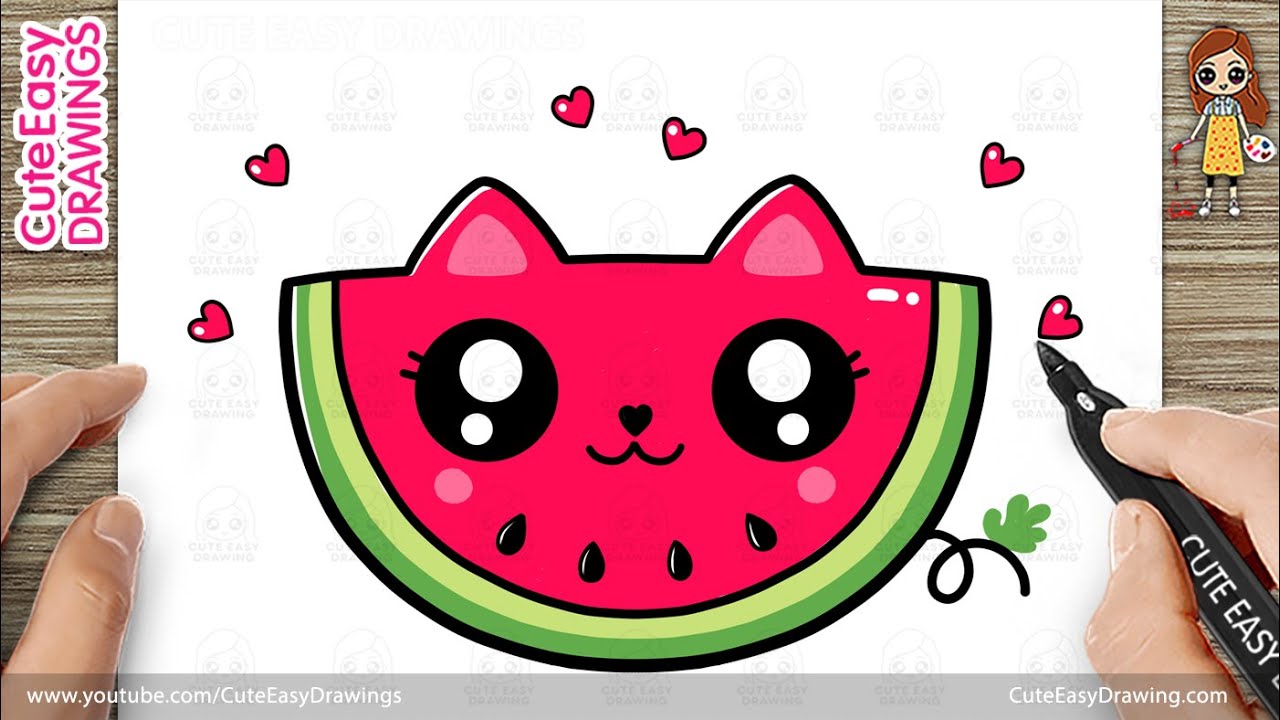
Easy Drawings
Drawing is one of the simplest yet most rewarding forms of artistic expression. Whether you’re a complete beginner or someone who’s been dabbling in art for a while, easy drawings can offer a fun, stress-free way to improve your skills and build confidence. This guide dives into various aspects of easy drawing techniques, styles, and ideas that anyone can try. Let’s break down the world of easy drawings into approachable, enjoyable sections that will guide you step-by-step toward artistic improvement.
Introduction to Easy Drawings
When we talk about easy drawings, we mean sketches, doodles, and simple illustrations that don’t require advanced skills but still let you create something satisfying. Easy drawings can be anything, from simple shapes and patterns to beginner-level sketches of animals, plants, or everyday objects. These types of drawings are an ideal way to relax, practice, and build a solid foundation in art without the pressure of perfection.
Easy drawings are excellent for all ages. Young children can use them to explore creativity, while adults might find them relaxing and meditative. For budding artists, easy drawings provide a way to build hand-eye coordination and confidence without diving into complex techniques or materials. Plus, easy drawings have the bonus of being quick to produce, so they offer an immediate sense of accomplishment.
An important benefit of focusing on easy drawings is that they help keep the fun in art. Art can be intimidating, especially for beginners. By starting with simple subjects and uncomplicated techniques, you remove a lot of the barriers to getting started. This section will help set the stage for a positive approach to art and encourage you to explore creativity at your own pace.
Essential Drawing Supplies for Beginners
Starting with the right supplies can make easy drawings more enjoyable and even improve your results. The good news is that you don’t need to spend a fortune to get quality materials for basic sketches. Just a few essential supplies are enough to get you started and keep your work looking neat and clean.
Firstly, pencils are fundamental. For easy drawings, a basic set of graphite pencils is more than enough. Graphite pencils are typically graded from hard (H) to soft (B), with softer pencils producing darker, richer lines. Beginners can benefit from a set that includes a few different levels of hardness, such as 2H, HB, and 2B, to experiment with line weights and shading effects.
Next up are erasers. An eraser can be as crucial as your pencil, especially in the early stages when mistakes are common. A regular rubber eraser will do, but some artists prefer kneaded erasers, which can be molded into different shapes and are excellent for gently lifting pencil marks without damaging the paper. Alongside an eraser, a good quality sharpener will keep your pencils at their best, ensuring that your lines are always crisp and precise.
Finally, the type of paper you use can make a surprising difference. Standard printer paper is fine for practice, but upgrading to sketching paper provides a smoother texture and prevents smudging. Look for a sketchbook that has medium-weight paper, around 80-100 GSM (grams per square meter), which is ideal for pencil work and easy drawings.
Basic Drawing Techniques for Easy Drawings
While it’s tempting to jump straight into drawing fun subjects, learning a few basic techniques will elevate your easy drawings and help them look more professional. Mastering these techniques doesn’t take long and will give you the tools to approach new subjects with confidence.
One of the first techniques to practice is contour drawing, which involves creating the outline of your subject. Focus on capturing the shape and structure with continuous lines. This exercise helps train your hand and eye to work together, improving coordination. Practice drawing simple shapes like circles, squares, and triangles using contours before moving on to more complex subjects like faces or animals.
Another essential technique is hatching and cross-hatching. These are shading techniques used to add dimension and depth to your drawings. Hatching involves drawing closely spaced parallel lines to create areas of shadow, while cross-hatching involves overlapping sets of hatching lines at different angles. Experimenting with these techniques on a basic level helps beginners understand how to add shading to create a 3D effect.
Finally, blending is a technique that helps you smooth out harsh lines and create soft, gradual transitions. Use a blending tool like a blending stump or simply your finger to smudge and soften pencil marks. Start by drawing a simple gradient to practice this technique, as it will be useful for any easy drawing that includes shading, such as landscapes or simple portraits.
Easy Sketch Ideas for All Ages
If you’re unsure where to start, we’ve gathered some easy sketch ideas that are fun for all ages. These are designed to be approachable, quick to complete, and enjoyable. Grab your pencil and let’s get sketching!
A great place to start is with doodles. Doodles are quick, spontaneous drawings that don’t require any pre-planning. You might doodle flowers, stars, hearts, or abstract patterns. These drawings are often made from repetitive shapes and lines, making them perfect for anyone looking to relax or fill a few minutes of free time. Doodling is a fantastic way to warm up before working on more detailed sketches, too.
Another enjoyable idea is to draw animals in a simplified form. Animals like cats, dogs, birds, or even dinosaurs can be simplified into easy shapes. Try drawing a cat using an oval for the body, circles for the paws, and triangles for the ears. This form of “cartooning” makes it easy to capture the essence of an animal without needing intricate details. Animals are also versatile subjects; they’re appealing for young kids and also provide a fun challenge for older artists.
Lastly, try your hand at nature scenes. Start with simple landscapes, such as a hill with a tree, a winding river, or a mountain with a sunrise. Focus on creating clean lines and minimal details. You can keep it monochromatic or add a few colors for effect. Nature sketches are calming, easy to replicate, and can be adapted to fit your skill level and interests.
Nature-Inspired Easy Drawings
Drawing elements from nature is a fantastic way to learn while enjoying the therapeutic benefits of art. Nature-inspired drawings include everything from flowers and leaves to landscapes and weather phenomena. These subjects are often composed of simple shapes and lines, making them perfect for easy drawings.
Start with flowers, as they’re simple to break down into parts like petals, stems, and leaves. You can draw a single flower or create a small bouquet. Try drawing different types of flowers, such as daisies, roses, or tulips, by focusing on their distinctive shapes. Use a light touch for the petals to give them a soft, natural look, and experiment with shading for added depth.
Leaves are another easy and rewarding subject. Leaves come in a variety of shapes and sizes, each with unique veins and textures. Drawing leaves helps you practice line variation and symmetry, two important skills in drawing. Start with simple leaves, like those from maple or oak trees, and work your way up to more intricate shapes. This exercise can be both meditative and beneficial for refining your fine motor skills.
Finally, try drawing a simple landscape, like a mountain range or a forest. Landscapes provide an opportunity to practice perspective, which adds a sense of realism. Begin with the horizon line, then add basic shapes to represent trees, mountains, or bodies of water. These easy landscapes can be as minimalistic or detailed as you like, making them ideal for beginners looking to gradually challenge themselves.
Simple Cartoon Drawings for Fun
Cartoons are a popular and accessible form of art, and they’re particularly great for beginners. Creating cartoons involves exaggerating features and simplifying forms, making them perfect for fun, easy drawings. Cartoons allow for a lot of creativity, and since they’re not meant to be realistic, there’s no pressure for perfection.
Cartoon characters are an excellent place to start. Think of a character you’d like to draw, like a friendly alien, a happy dog, or a mischievous cat. Simplify their body parts into shapes like circles and ovals. Cartoons often have large eyes, expressive mouths, and playful postures. The beauty of cartoon drawing is that you can let your imagination run wild – there are no strict rules about proportions or realism.
Comic strip faces are another enjoyable cartoon subject. You can practice creating a range of expressions, from happy and sad to surprised or confused. Drawing faces in this style involves learning how to manipulate eyes, eyebrows, and mouths to convey emotion. This is a valuable skill, as it helps develop an understanding of facial anatomy and expression that can be used in more realistic art later on.
For something whimsical, try creating cartoon animals. These can be as simple as drawing an animal head with exaggerated features like big ears or a tiny body. Experiment with adding human-like qualities, such as giving a dog a hat or a cat a scarf. Cartoon animals are a delight to create, and because they’re so versatile, they’re perfect for anyone looking to practice easy drawings.
YOU MAY ALSO READ
About the Author