Urtijëi
Introduction to Urtijëi: The Alpine Gem You Didn’t Know You Needed
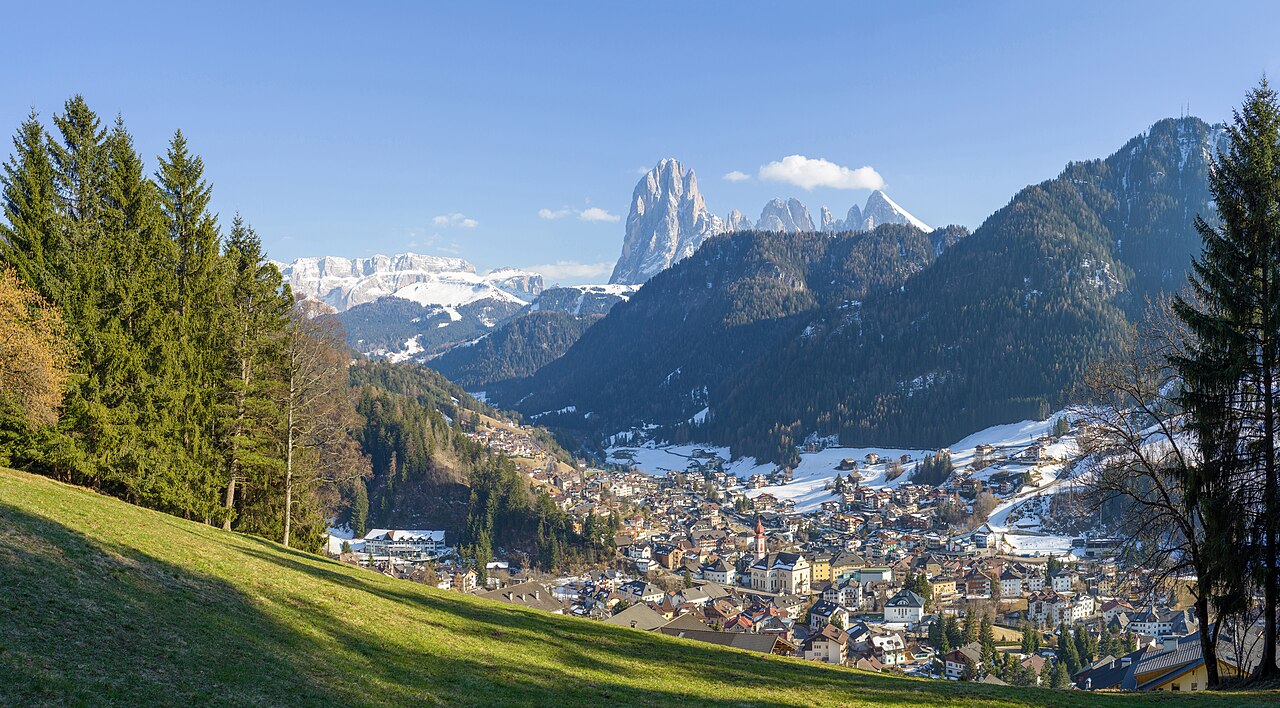
Urtijëi, also known as Ortisei in Italian and St. Ulrich in German, is one of those rare towns that effortlessly blends old-world charm with modern alpine energy. Nestled in the breathtaking Val Gardena of northern Italy, this little paradise offers the kind of views that make you forget your phone exists. Think dramatic Dolomite peaks, rolling meadows dotted with chalets, and a town center that feels like walking through a postcard you wish you could frame. It’s a place that pulls in travelers, skiers, hikers, artists, photographers, and anyone who just wants to breathe in mountain air that feels like it’s been filtered by nature’s own purification system.
What makes Urtijëi particularly interesting is that it carries an identity stronger than most alpine towns. It’s not just another stop along the Dolomite route—it’s a hub of Ladin culture, a region that proudly preserves one of Europe’s oldest and smallest language families. Here, you’ll hear Ladin spoken just as naturally as Italian and German. This unique linguistic trio gives the town a layered personality: culturally rich, historically fascinating, and welcoming to travelers from all corners of the globe. This mixing of languages is reflected in everything—from street signs to restaurant menus to local festivals.
Beyond its cultural charm, Urtijëi has steadily grown into a modern travel destination with a strong global reputation. Its evolution from a quiet mountain village to a premier tourist center hasn’t robbed it of authenticity. In fact, the town seems to embrace new influences while fiercely protecting its heritage. Whether you’re visiting in summer, winter, or the underrated shoulder seasons, Urtijëi offers a compelling blend of relaxation, adventure, and discovery. If you’ve never considered adding it to your itinerary, this deep dive is about to change your mind.
The Story Behind Urtijëi: A Town Rooted in Culture and History
Urtijëi’s history is far richer than most people realize. While the modern traveler may know it for luxury hotels and Dolomite panoramas, the town’s roots extend back centuries to when the Ladin people developed settlements in these mountainous valleys. Ladin culture has survived invasions, shifting borders, and political changes for thousands of years, yet the spirit of the region has remained remarkably intact. This cultural resilience shapes the character of Urtijëi in a way that visitors can feel the moment they arrive.
One of the defining chapters in Urtijëi’s history is its long tradition of woodcarving. If you’ve ever seen intricate alpine sculptures, religious figures, or hand-carved nativity scenes, you’ll understand why Urtijëi is considered the heart of this craft. The tradition began hundreds of years ago when farmers turned to carving during harsh winters to earn extra income. Over time, the skill evolved from simple figures into world-renowned craftsmanship. Today, the town is still a major center for woodcarving, with workshops and studios that produce pieces collected internationally. Walking around, you’ll notice carvings embedded into architecture, displayed in galleries, and even used as signboards for local businesses.
Political history also played a huge role in shaping the town. Urtijëi was part of the Austro-Hungarian Empire until after World War I, when it became part of Italy. This shift influenced architecture, language, food, and education—but unlike other regions that became homogenized over time, Urtijëi embraced a hybrid identity. This coexisting blend of Italian passion, Austrian precision, and Ladin soul makes the town feel simultaneously familiar and distinct. Every festival, street corner, or dish echoes this rich historical tapestry.
Understanding Ladin Culture: The Soul of Urtijëi
To appreciate Urtijëi truly, you need to understand Ladin culture. This isn’t just a minority group in Italy—it’s one of Europe’s oldest ethnic identities. The Ladin language is a cousin of ancient Rhaeto-Romance languages, and although the number of speakers is small, the cultural influence is monumental in places like Val Gardena. Here, Ladin isn’t just a language reserved for elders or academics; it’s actively spoken at home, taught in schools, used in signage, and reflected in tradition and art.
Ladin traditions are a cornerstone of local life. From vibrant costumes during festivals to centuries-old music styles, the culture adds a rich vibrancy to Urtijëi’s otherwise calm alpine setting. The Ladin Museum in the neighboring town of San Martin de Tor provides a deep dive into the lifestyle, myths, and resilience of the Ladin people—but the culture is alive everywhere, not just in museums. Whether you’re attending a local parade, dining in a traditional tavern, or simply listening to conversations around you, you can feel this distinct identity shaping everyday life.
Even the architecture of Urtijëi reflects Ladin influence. Many buildings feature carved wooden balconies, painted shutters, and symbolic alpine motifs. Ladin tradition also emphasizes harmony with nature, something evident in how the town balances tourism with environmental preservation. The combination of this cultural foundation with modern alpine appeal is ultimately what sets Urtijëi apart from other beautiful towns in the Dolomites. Without Ladin culture, Urtijëi would simply be pretty—because of it, the town is unforgettable.
Why Urtijëi Is a Must-Visit Destination in the Dolomites
When people dream of the Dolomites, they usually imagine dramatic rock formations, emerald valleys, and charming wooden chalets. Urtijëi embodies all of that with the added bonus of easy accessibility, a vibrant cultural scene, and high-quality infrastructure. Whether you’re traveling for adventure, relaxation, or photography, the town meets every expectation—and then exceeds it. It’s a rare destination where both adrenaline seekers and slow-paced wanderers find their happy place.
One of the biggest draws is how connected Urtijëi is to the broader Dolomite region. Its cable cars transport visitors directly to some of the most iconic peaks and plateaus in the world, including Seceda and Alpe di Siusi. These aren’t average mountains—they’re UNESCO World Heritage landscapes that photographers obsess over. From the top, views stretch across jagged ridges that glow golden during sunrise and sunset. Even if you’re not an avid hiker, simply standing at those panoramas feels like being invited into a living painting.
Urtijëi also attracts travelers because it offers a more vibrant and elegant experience than many other mountain villages. The town center is lively but not chaotic; luxurious yet not intimidating; scenic but also functional. You’ll find pedestrian shopping streets, high-end boutiques, cozy cafés, art galleries, and local markets that feel authentic rather than touristy. Everything in Urtijëi has an intentional, high-quality feel—almost as if the town knows exactly how beautiful it is and wants to present its best self at all times.
Exploring the Town Center: A Blend of Charm, Color, and Character
If you judge towns by their centers, Urtijëi scores unbelievably high. Its pedestrian zone is considered one of the most beautiful in the Dolomites, and it’s easy to lose hours just strolling through it. Imagine clean cobblestone paths, pastel-colored buildings, flower-decorated balconies, and open-air cafés where locals sip espresso even in freezing temperatures. Everything is designed for walking, browsing, and soaking up the atmosphere without rushing.
In the heart of the town sits the parish church of Urtijëi, a stunning example of neo-Gothic design with a peaceful interior that feels worlds away from the bustle outside. Nearby stands the older St. Ulrich Church, which offers a glimpse into the town’s centuries-old religious history. These architectural gems aren’t just places of worship—they’re cultural anchors, reminding visitors of the layered timelines that shaped Urtijëi’s identity.
Shoppers will fall in love with the boutiques along the main street. Unlike many tourist destinations that sell identical souvenirs, Urtijëi’s shops offer detailed woodcarvings, handcrafted jewelry, traditional clothing, artisanal foods, and modern alpine fashion. The blend of craftsmanship and style reflects the town’s artistic heritage. Whether you’re buying a carved nativity scene made in a local workshop or a cozy Ladin-patterned scarf, shopping in Urtijëi feels personal—almost like collecting a piece of the town to take home.
The Woodcarving Tradition: Urtijëi’s Artistic Backbone
If Urtijëi had a single artistic symbol, it would be the wooden sculpture. Woodcarving isn’t just an art form here—it’s woven into the town’s identity. This tradition dates back centuries when harsh alpine winters forced families to find alternative income during the farming off-season. Over time, what started as a survival strategy evolved into a world-renowned craft that still dominates the cultural landscape today.
Walking around Urtijëi, you’ll encounter impressive statues carved into building facades, wooden details on homes, and workshops with artisans creating pieces right in front of you. Many families have passed down the craft through generations, preserving the techniques and refining the style. The local professional school for sculpture (the Scuola di Scultura) is still one of the most respected art institutions in the region, attracting students who want to learn traditional and modern carving techniques.
What makes Urtijëi’s woodcarving special is its range. Artists create everything from small ornaments to large religious figures used in churches around Europe. You’ll also find modern abstract sculptures that show how the tradition has evolved with contemporary artistic movements. For visitors, exploring these workshops and galleries adds a deeper, more meaningful dimension to the trip—because you aren’t just looking at art, you’re witnessing a living tradition that continues to shape the town’s cultural identity.
Seceda: The Mountain That Looks Straight Out of a Fantasy Film
If Urtijëi had a “star attraction,” it would undoubtedly be Seceda. This dramatic mountain ridge is famous for its knife-edge peaks that rise like stone guardians watching over the valley. The cable car from Urtijëi takes you directly to the top, making the experience accessible even for travelers who aren’t keen on intense hiking. The moment you step off the lift, you’re greeted by an otherworldly landscape that feels straight out of a fantasy movie.
The Seceda panorama is one of the most photographed scenes in the Dolomites—for good reason. The jagged peaks of the Fermeda towers seem to glow a different color every hour of the day, shifting from soft morning blues to fiery golden tones at sunset. Even if you’ve seen thousands of mountain landscapes in your life, Seceda has a way of making you pause, breathe deeper, and actually feel the scenery rather than simply admiring it.
Hikers have plenty of trails to explore here, ranging from easy walks that circle panoramic viewpoints to longer treks that descend into alpine meadows. One of the most enjoyable things about exploring Seceda is the presence of traditional huts (known as rifugi) where you can stop for a hearty meal, a warm drink, or just a break with a view. Even on busy days, the region feels spacious—an endless open plateau where nature always has the final word.
Alpe di Siusi: Europe’s Largest Alpine Meadow Right Next Door
Another major attraction near Urtijëi is Alpe di Siusi (Seiser Alm), the largest high-altitude meadow in Europe. The scale alone is impressive—rolling green hills that stretch endlessly into the horizon, framed by dramatic mountain silhouettes. The area feels almost unreal in its beauty, especially during sunrise when mist rises off the grass like a natural special effect. If Seceda is dramatic, Alpe di Siusi is serene.
Alpe di Siusi is beloved by hikers, cyclists, families, and photographers. The landscape is gentle enough for visitors of all ages and fitness levels, making it one of the most accessible natural wonders in the region. Wooden huts dot the meadow, cows graze freely, and the air smells like fresh grass mixed with alpine pine. It’s the kind of place where you lie down for “just a few minutes” and accidentally stay an hour because the peace is so intoxicating.
Another bonus of Alpe di Siusi is how well-preserved and protected it is. Cars are heavily restricted, especially during peak hours, which helps maintain the meadow’s natural beauty and keeps the air refreshingly clean. Whether you choose to picnic on the grass, walk along gentle trails, or simply sit and admire the view, this plateau offers the perfect complement to Urtijëi’s lively town center and Seceda’s rugged peaks.
Summer Adventures in Urtijëi: Endless Trails and Alpine Energy
Visiting Urtijëi in summer means embracing vibrant outdoor life. The Dolomites truly shine during this season—lush green meadows, warm sunshine, and long days that extend adventure opportunities. Hiking is by far the most popular activity, with trails ranging from peaceful valley walks to challenging mountain treks. The beauty of the region is that every trail seems to offer a new kind of scenery: wildflowers, pine forests, cliff edges, or vast open plateaus.
Cycling is another major highlight. Whether you’re into mountain biking or e-biking, the options are extensive and well-maintained. Local rental shops offer high-quality bikes, and cable cars allow cyclists to reach higher altitudes without exhausting climbs. The combination of rugged terrain and stunning views makes cycling here an unforgettable experience.
For travelers who enjoy more relaxed adventures, summer in Urtijëi still delivers plenty. You can visit art galleries, participate in guided cultural tours, attend local festivals, or simply unwind on a terrace with a Ladin-style lunch. There’s a balanced harmony between adrenaline-driven activities and calm, atmospheric experiences—which makes summer in Urtijëi appealing to all kinds of travelers.
YOU MAY ALSO READ
About the Author