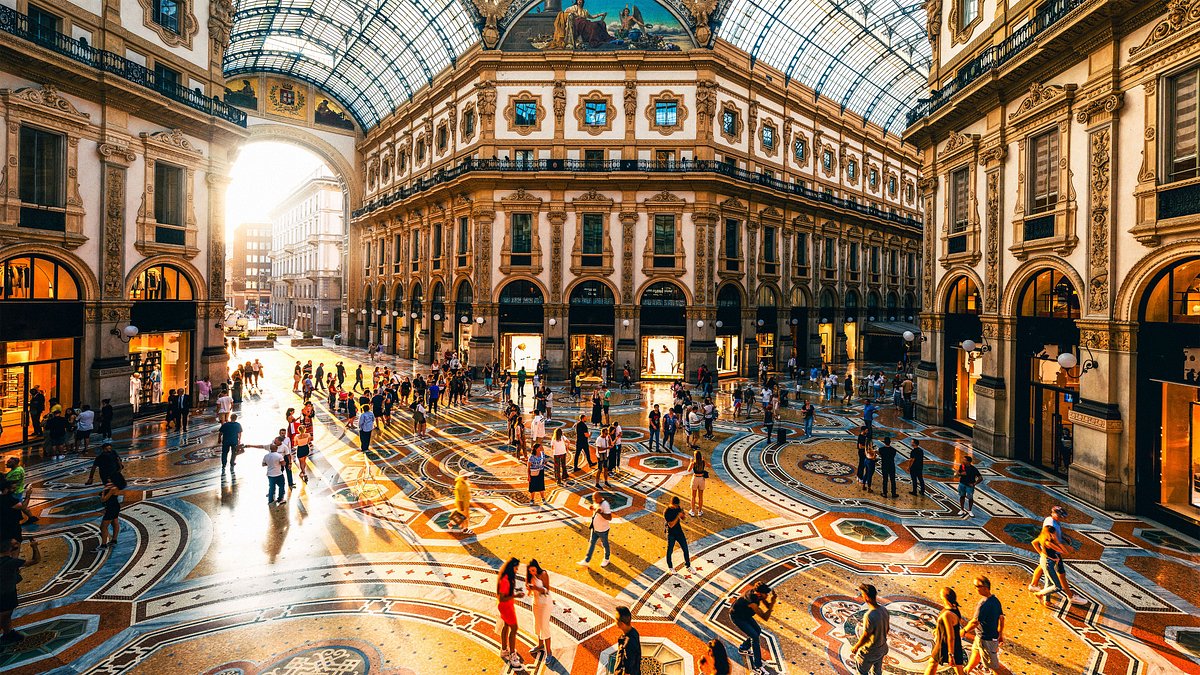
Milan
Introduction to Milan
Milan is not just another beautiful Italian city; it is the beating heart of modern Italy. While cities like Rome and Florence often steal the spotlight for their ancient ruins and Renaissance masterpieces, Milan operates in a different lane. It is a city that blends centuries-old heritage with cutting-edge innovation, high fashion, financial power, and cultural influence. This balance between old and new gives Milan its distinctive identity and makes it one of Europe’s most fascinating urban landscapes.
At first glance, Milan might appear more businesslike than romantic. Its skyline features modern towers, corporate headquarters, and sleek design studios. But beneath that polished surface lies a city layered with history, art, and deeply rooted traditions. From Gothic cathedrals to avant-garde architecture, from opera houses to fashion runways, Milan offers experiences that satisfy both the classic traveler and the contemporary explorer.
What makes Milan truly special is its rhythm. The city moves with purpose. Mornings are fueled by espresso in bustling cafés, afternoons are dedicated to productivity and creativity, and evenings transform into stylish social gatherings. Unlike slower-paced Italian towns, Milan feels international, ambitious, and forward-looking—yet it never loses its Italian soul. Understanding Milan requires appreciating this dual nature: historic and futuristic, artistic and corporate, elegant and energetic.
The Historical Evolution of Milan
Milan’s history stretches back more than two millennia. Originally founded by Celtic tribes, it later became an important Roman settlement known as Mediolanum. During the Roman Empire, Milan held immense political significance and even served as the western capital of the empire in the 4th century. This early prominence set the stage for its long-standing role as a center of power and influence.
The Middle Ages brought both turmoil and transformation. Milan rose under powerful families, particularly the Visconti and later the Sforza dynasty. The imposing Sforza Castle still stands today as a reminder of that era’s military and political strength. These ruling families invested heavily in art, architecture, and urban development, laying the foundation for Milan’s cultural prestige.
The Renaissance period marked a golden chapter in Milan’s story. It was during this time that figures like Leonardo da Vinci worked in the city, leaving behind masterpieces that would shape global art history. Over the centuries, Milan experienced French and Austrian control, Napoleonic rule, and eventually became a key player in Italian unification. Each era left architectural and cultural imprints, making Milan a living timeline of European history.
The Architectural Masterpiece: Duomo di Milano
No conversation about Milan can begin without acknowledging the breathtaking Duomo di Milano. This Gothic cathedral is not only the symbol of the city but also one of the largest churches in the world. Construction began in 1386 and took nearly six centuries to complete, resulting in a structure that feels both timeless and monumental.
The exterior is a forest of spires, statues, and intricate marble carvings. Every angle reveals new details, from saints and gargoyles to delicate decorative patterns. The cathedral’s white and pink Candoglia marble gives it a luminous quality, especially during sunrise and sunset. Climbing to the rooftop offers one of the most spectacular views in Italy, allowing visitors to walk among the spires and gaze across the city skyline.
Inside, the cathedral feels equally awe-inspiring. Massive columns rise toward stained-glass windows that bathe the interior in colored light. The scale alone is humbling, yet the craftsmanship invites close attention. At the very top stands the golden Madonnina statue, a beloved symbol of Milanese pride. The Duomo is not merely a tourist attraction; it is a spiritual and cultural landmark deeply woven into Milan’s identity.
Milan as the Global Capital of Fashion
Milan’s reputation as a fashion powerhouse is undeniable. Alongside Paris, New York City, and London, Milan forms the “Big Four” fashion capitals of the world. Twice a year, the city transforms during Milan Fashion Week, when designers, models, buyers, and media descend upon its runways.
The epicenter of luxury shopping is the Quadrilatero della Moda, home to prestigious brands and elegant boutiques. Streets like Via Montenapoleone and Via della Spiga are lined with flagship stores that showcase Italian craftsmanship at its finest. Walking through these streets feels like entering a curated exhibition of style and innovation.
What sets Milan apart in fashion is its emphasis on tailoring, quality materials, and timeless elegance. Italian brands prioritize precision and sophistication over flashy experimentation. Fashion in Milan is not just about clothing; it is about lifestyle, design philosophy, and cultural influence. The city has shaped global trends for decades, and its fashion ecosystem continues to evolve while honoring traditional artistry.
Art and Culture in Milan
Milan’s artistic significance reaches far beyond fashion. One of the world’s most famous paintings, The Last Supper, resides in the refectory of Santa Maria delle Grazie. Painted by Leonardo da Vinci in the late 15th century, this masterpiece continues to captivate visitors with its emotional depth and technical brilliance.
Opera lovers revere La Scala, one of the most prestigious opera houses in the world. Since its opening in 1778, La Scala has hosted legendary composers and performers, shaping the history of classical music. Attending a performance here is not just entertainment—it is a cultural experience steeped in tradition.
The Pinacoteca di Brera houses an impressive collection of Italian Renaissance art, while contemporary galleries across the city celebrate modern creativity. Milan does not treat art as something confined to museums; it integrates it into daily life. Public sculptures, design installations, and cultural festivals keep the city’s artistic pulse alive throughout the year.
Milan’s Culinary Scene
Milanese cuisine reflects northern Italy’s rich agricultural traditions. One of its signature dishes is risotto alla Milanese, flavored with saffron and known for its golden hue. The simplicity of the ingredients highlights the region’s appreciation for quality and balance. Another local favorite is cotoletta alla Milanese, a breaded veal cutlet that predates similar dishes found elsewhere in Europe.
The aperitivo culture is another defining element of Milan’s food scene. In the early evening, bars serve drinks accompanied by generous buffets of small bites. This ritual transforms socializing into an art form. Neighborhoods like Navigli come alive as locals gather by the canals, enjoying cocktails and conversation.
Milan is also the birthplace of panettone, the sweet bread traditionally enjoyed during Christmas. Today, artisan bakeries experiment with new flavors while preserving the original recipe. The city’s culinary identity is sophisticated yet comforting, blending innovation with heritage.
Business, Innovation, and Modern Milan
Milan is Italy’s financial engine. The modern skyline of Porta Nuova showcases the city’s economic ambition. Among its most striking landmarks is Bosco Verticale, a pair of residential towers covered in thousands of trees and plants. This innovative design represents Milan’s commitment to sustainability and forward-thinking urban planning.
As the headquarters of the Borsa Italiana, Milan plays a central role in the country’s financial markets. Major corporations, banks, and international firms operate from here, reinforcing the city’s reputation as Italy’s business capital.
Innovation extends beyond finance. Milan hosts technology startups, design studios, and research institutions. Events like design week attract global attention, transforming the city into a laboratory of ideas. This blend of creativity and commerce fuels Milan’s continuous growth.
Education and Intellectual Life
Milan is home to prestigious academic institutions such as University of Milan and Politecnico di Milano. These universities attract students from around the world, contributing to the city’s international atmosphere.
Bocconi University is particularly renowned for economics and business education, aligning perfectly with Milan’s corporate environment. The academic community fosters debate, research, and intellectual exchange, reinforcing the city’s status as a knowledge hub.
Students bring energy and diversity to Milan’s neighborhoods. Cafés become study spaces, libraries remain lively, and public lectures enrich the cultural calendar. Education here is not isolated from the city; it interacts with industries, art institutions, and government initiatives.
Conclusion: Why Milan Matters
Milan is a city that refuses to be defined by a single narrative. It is historic yet modern, artistic yet practical, luxurious yet authentic. Whether you are drawn by its cathedral, its fashion scene, its cuisine, or its economic influence, Milan offers depth and complexity.
Unlike cities that rely solely on their past, Milan actively shapes its future. It embraces innovation without discarding tradition. That balance is its greatest strength. For travelers, professionals, students, and creatives alike, Milan provides opportunities and inspiration.
In the end, Milan matters because it represents possibility. It shows how a city can honor its heritage while continuously reinventing itself. And once you experience its rhythm, elegance, and ambition, you understand why Milan remains one of Europe’s most compelling destinations.
YOU MAY ALS0 READ
About the Author