E26 Bulb
Lighting is one of those everyday conveniences we rarely think about—until a bulb burns out and we’re suddenly standing in the hardware aisle wondering which replacement to buy. If you’ve ever noticed the term “E26 bulb” on packaging, you may have asked yourself what it actually means and why it matters. Surprisingly, that small label carries a lot of importance. It determines compatibility, brightness options, safety, and even the mood of your home.
The E26 bulb is the standard light bulb base used across North America, and chances are extremely high that most lamps and fixtures in your home rely on it. Yet despite its popularity, many homeowners don’t fully understand how it works, what makes it different from other bulb types, or how to choose the best one.
This in-depth guide will walk you through everything you need to know about E26 bulbs—from their design and history to modern LED technology, energy efficiency, buying tips, and future trends. Whether you’re upgrading your lighting, redesigning your space, or simply replacing a bulb, by the end of this article you’ll feel completely confident navigating the world of E26 lighting.
Let’s dive in.
What Is an E26 Bulb?
An E26 bulb refers to a light bulb with a 26-millimeter screw base. The “E” stands for Edison, named after Thomas Edison, who popularized the screw-style bulb base. The number “26” represents the diameter of the base in millimeters.
At first glance, the design might seem incredibly simple—a threaded metal base that twists into a socket—but this simplicity is exactly what makes it so effective. The screw mechanism provides a secure electrical connection while allowing bulbs to be replaced quickly without specialized tools.
What makes the E26 base especially important is its role as the default lighting standard in the United States, Canada, and several other regions. When you purchase a table lamp, floor lamp, ceiling fixture, or even some outdoor lights, they are very likely designed for E26 bulbs unless specified otherwise.
Another reason for its dominance is versatility. E26 bulbs are available in nearly every lighting technology imaginable—incandescent, halogen, CFL, and LED—giving consumers the freedom to choose based on brightness, energy usage, and longevity.
Understanding this base type helps eliminate guesswork. Instead of focusing only on wattage or color temperature, recognizing the base ensures the bulb will physically fit your fixture, which is the first and most critical step in choosing the right light.
The History Behind the E26 Base
To truly appreciate the E26 bulb, it helps to understand how it came to be the global lighting staple it is today.
In the late 19th century, electrical lighting was still in its infancy. Early bulbs required complex wiring methods that made replacement inconvenient and sometimes dangerous. Thomas Edison changed that by introducing the screw base—a brilliant innovation that allowed people to install and remove bulbs easily.
The design quickly gained traction because it solved multiple problems at once. It standardized sockets, improved safety, and allowed manufacturers to create bulbs that worked across different fixtures. Over time, this compatibility fueled mass adoption.
As electricity spread into homes during the early 20th century, the Edison screw base became synonymous with modern living. Eventually, regional variations emerged. Europe adopted the slightly larger E27 base, while North America standardized on E26 due to voltage differences.
Interestingly, the difference between E26 and E27 is just one millimeter, yet both are often interchangeable in practice depending on fixture tolerance. However, manufacturers still recommend using the correct base for optimal safety.
Today, more than a century later, the Edison screw design remains largely unchanged—a testament to how well the original engineering solved the problem. While bulb technology has evolved dramatically, the base itself continues to provide the reliable connection modern lighting depends on.
How the E26 Bulb Works
Despite its simplicity, the E26 bulb is a clever piece of engineering.
The threaded metal shell acts as one electrical contact, while the small metal tip at the bottom forms the second contact. When the bulb is screwed into a socket, electricity flows through these points, powering the filament or LED driver inside.
One reason this system has lasted so long is its balance between safety and usability. The threads help ground the connection while reducing the likelihood of accidental electric shock during installation.
Inside the bulb, the operation varies depending on technology:
- Incandescent bulbs heat a filament until it glows.
- CFL bulbs excite gas to produce ultraviolet light, which is converted into visible light.
- LED bulbs pass electricity through semiconductors to create illumination with minimal heat.
The base itself doesn’t dictate brightness or efficiency—it simply ensures the bulb receives power safely.
Another overlooked advantage is mechanical stability. Once tightened, the bulb remains firmly in place even with minor vibrations, making it suitable for ceiling fans and certain appliances.
Understanding this basic function helps explain why the E26 base continues to dominate even as lighting technology evolves.
Types of E26 Bulbs Available Today
One of the biggest strengths of the E26 standard is the wide variety of bulb technologies available. Let’s explore the main types you’ll encounter.
Incandescent E26 Bulbs
For decades, incandescent bulbs were the default choice. They produce a warm, inviting glow that many people still associate with comfort.
Their biggest advantage is color quality. Objects appear natural and vibrant under incandescent light. They’re also inexpensive upfront.
However, they are extremely inefficient. Most of the energy they consume turns into heat rather than light. Because of this, many countries have phased them out in favor of more efficient options.
While you might still find them on store shelves, they’re becoming less common each year.
Halogen E26 Bulbs
Halogen bulbs are essentially an improved version of incandescent lighting.
They burn hotter and brighter while offering slightly better efficiency. Their crisp white light works well in task-oriented spaces like kitchens and bathrooms.
Still, they generate significant heat and don’t match the energy savings of newer technologies.
Many homeowners now view halogens as a transitional product—better than traditional incandescent, but not as advanced as LED.
CFL (Compact Fluorescent Lamp) E26 Bulbs
CFLs once represented the future of energy-efficient lighting.
They use about 70–75% less energy than incandescent bulbs and last much longer. Early versions had drawbacks such as slow warm-up times and harsh color tones, but later models improved significantly.
However, CFLs contain small amounts of mercury, requiring careful disposal. As LED prices dropped, CFL popularity declined.
Today, they’re less common but still viable for budget-conscious buyers.
LED E26 Bulbs
LED bulbs are now the undisputed leaders in lighting technology.
They use up to 85–90% less energy than incandescent bulbs and can last 15–25 times longer. That means fewer replacements and noticeably lower electricity bills.
LEDs also offer incredible customization. You can choose warm, neutral, or daylight tones, dimmable features, smart connectivity, and even color-changing capabilities.
Perhaps most importantly, LEDs remain cool to the touch, reducing fire risk and making them safer for enclosed fixtures.
If you’re upgrading your lighting today, LED is almost always the smartest investment.
Understanding Brightness, Wattage, and Lumens
For many people, wattage used to be the primary measure of brightness. A 60-watt bulb meant “normal brightness,” while 100 watts meant “very bright.”
But wattage actually measures energy consumption—not light output.
Modern bulbs use lumens to indicate brightness. The higher the lumen count, the brighter the bulb.
Here’s a helpful comparison:
- 450 lumens → roughly equivalent to a 40W incandescent
- 800 lumens → similar to 60W
- 1,600 lumens → comparable to 100W
Switching to lumens removes confusion, especially when buying LEDs that use far less wattage.
Another important factor is beam spread. Some bulbs emit light in all directions, while others focus illumination downward. Understanding this can help you avoid rooms that feel either too dim or overly harsh.
When selecting an E26 bulb, think about the room’s purpose. Soft lighting works well in bedrooms and living rooms, while brighter illumination suits kitchens and workspaces.
Color Temperature: Setting the Mood
Brightness isn’t the only thing that affects how a room feels—color temperature plays a huge role.
Measured in Kelvin (K), color temperature ranges from warm amber tones to cool blue-white light.
Warm White (2700K–3000K) creates a cozy, relaxing atmosphere perfect for bedrooms and lounges.
Neutral White (3500K–4100K) strikes a balance between comfort and clarity, making it ideal for kitchens and bathrooms.
Daylight (5000K–6500K) mimics natural sunlight and enhances focus, which is great for offices or garages.
Choosing the right temperature can completely transform your space without changing a single piece of furniture.
Many homeowners now mix temperatures strategically—warm lights for relaxation areas and cooler lights for productivity zones.
Once you understand this concept, lighting becomes a powerful design tool rather than just a functional necessity.
Energy Efficiency and Cost Savings
One of the biggest reasons people upgrade their E26 bulbs is to save money over time.
While LED bulbs cost more upfront, their long lifespan means you’ll purchase replacements far less often. Add lower electricity usage, and the long-term savings become substantial.
For example, replacing a single 60W incandescent bulb with a 9W LED can reduce energy consumption dramatically. Multiply that across an entire home, and the difference on your utility bill becomes noticeable.
Another hidden benefit is reduced heat output. Incandescent bulbs release significant warmth, forcing air conditioning systems to work harder in warmer months.
LEDs, on the other hand, stay cool—helping maintain indoor comfort while lowering energy demand.
Think of LED E26 bulbs not as an expense but as a smart household investment.
Choosing the Right E26 Bulb for Every Room
Selecting the right bulb isn’t just about fit—it’s about function.
Living Room
Go for warm LED bulbs around 800 lumens. This creates a welcoming environment without overwhelming the space.
Layer lighting with floor lamps and table lamps to add depth.
Kitchen
Kitchens benefit from brighter, cooler light. Look for bulbs in the 3,500K–4,000K range so food preparation is safer and easier.
Pendant lights over islands often use decorative E26 bulbs that combine style with performance.
Bedroom
Soft lighting is key here. Choose warm tones and consider dimmable options for added flexibility.
Avoid overly bright bulbs that disrupt relaxation.
Bathroom
Clarity matters when grooming, so neutral white bulbs work best.
Place lighting evenly around mirrors to minimize shadows.
Outdoor Spaces
If you’re using E26 bulbs outside, make sure they are rated for outdoor use. Weather-resistant LEDs are typically the safest choice.
Matching bulbs to room function ensures both comfort and practicality.
Smart E26 Bulbs: Lighting Meets Technology
Smart lighting has revolutionized how we interact with our homes.
Smart E26 bulbs connect to apps or voice assistants, allowing you to adjust brightness, change colors, and schedule lighting remotely.
Imagine arriving home to a well-lit space without touching a switch—or dimming the lights for movie night with a simple voice command.
Many smart bulbs also support automation routines, such as gradually brightening in the morning to mimic sunrise.
Beyond convenience, smart lighting enhances security. You can program lights to turn on while you’re away, making your home appear occupied.
While they cost more than traditional LEDs, the lifestyle upgrade often makes them worth it.
Decorative E26 Bulbs and Interior Design
Lighting has evolved beyond pure functionality—it’s now a major design element.
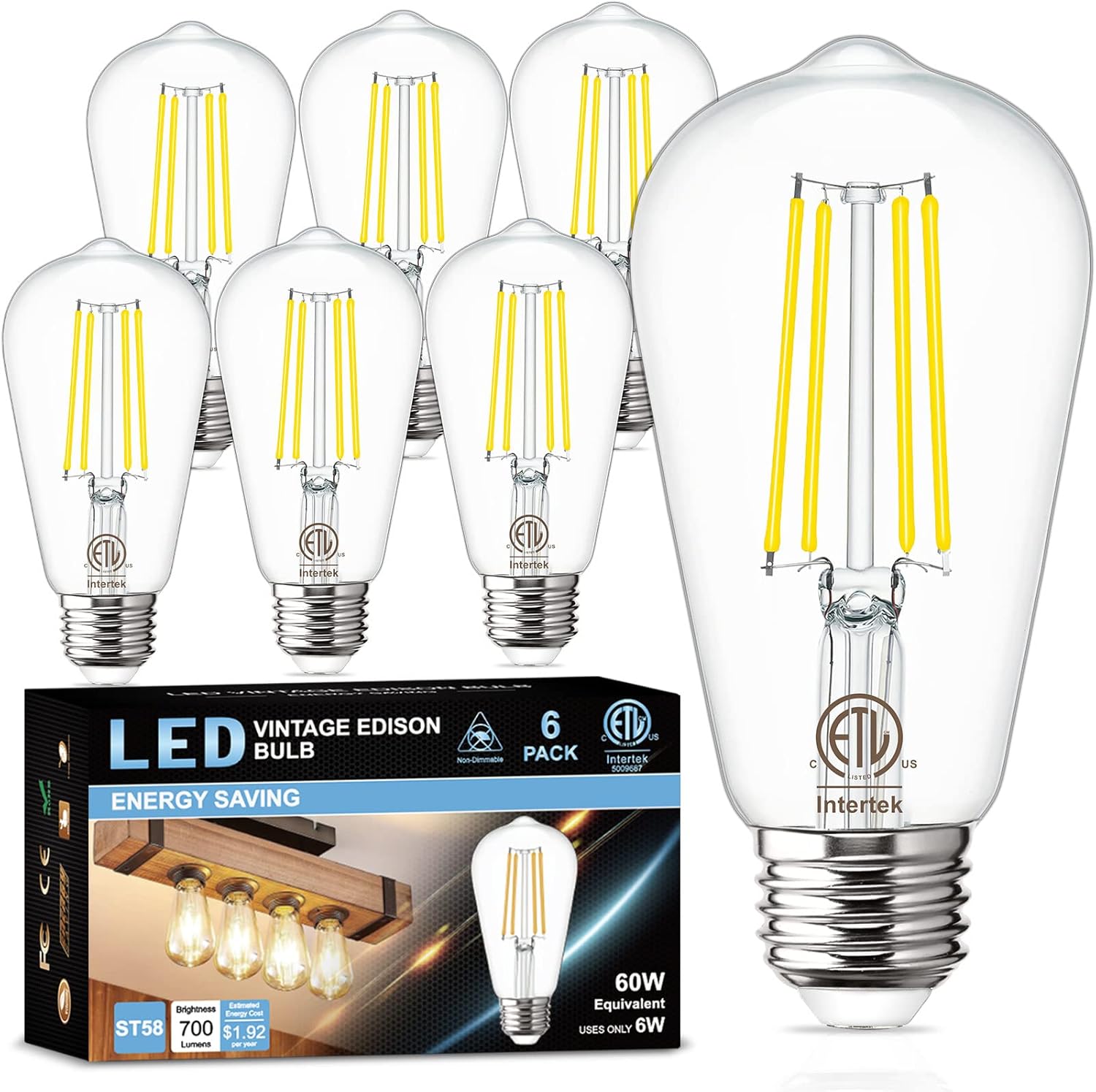
Decorative E26 bulbs, such as Edison-style filament LEDs, bring vintage charm to modern interiors. Their exposed filaments add warmth and character, especially in open fixtures.
Globe bulbs create a dramatic look in bathroom vanities or pendant lighting, while tubular shapes suit minimalist spaces.
Even the glass finish matters. Clear bulbs sparkle, frosted bulbs diffuse light gently, and amber-tinted glass enhances warmth.
Choosing a decorative bulb is like selecting jewelry for your home—it completes the aesthetic.
Interior designers often recommend treating lighting as part of the décor rather than an afterthought.
Safety Tips When Using E26 Bulbs
Although E26 bulbs are generally safe, following a few guidelines can prevent problems.
Always check the fixture’s maximum wattage rating. Installing a bulb that exceeds it can cause overheating.
Avoid forcing a bulb into a socket. If it doesn’t screw in smoothly, double-check compatibility.
Turn off power before replacing bulbs to reduce shock risk.
For enclosed fixtures, ensure the bulb is rated for limited airflow—especially with LEDs, as heat buildup can shorten lifespan.
Lastly, dispose of old bulbs responsibly. Some types require special recycling.
Safety isn’t complicated, but it’s essential.
Common Mistakes to Avoid
Even experienced homeowners sometimes make simple lighting errors.
One frequent mistake is focusing only on brightness while ignoring color temperature. The wrong tone can make a beautiful room feel sterile.
Another is mixing incompatible bulbs on the same dimmer switch, which may cause flickering.
Buying the cheapest option can also backfire. Lower-quality LEDs sometimes fail early or produce inconsistent light.
And don’t forget about scale—oversized bulbs in small fixtures can look awkward.
Being mindful of these details ensures better results.
The Environmental Impact of Modern E26 Bulbs
Switching to efficient lighting doesn’t just help your wallet—it benefits the planet.
LED bulbs consume far less electricity, reducing greenhouse gas emissions from power plants.
Their long lifespan also means fewer bulbs end up in landfills.
Many manufacturers now design bulbs with recyclable components, further minimizing environmental impact.
When millions of households make the switch, the collective effect is significant.
Choosing efficient lighting is one of the easiest eco-friendly upgrades you can make at home.
The Future of E26 Lighting
Despite its age, the E26 base isn’t going anywhere.
Instead, innovation is happening inside the bulb itself.
Expect smarter features, improved color rendering, and even more efficient LEDs in the coming years.
Human-centric lighting—designed to align with natural circadian rhythms—is already gaining traction. These bulbs adjust color temperature throughout the day to support sleep and productivity.
We may also see deeper integration with smart home ecosystems, where lighting responds automatically to weather, time, and activity.
Through all this change, the familiar screw base will likely remain untouched—a rare example of timeless engineering.
Conclusion
The E26 bulb may look ordinary, but it plays an extraordinary role in modern life. Its standardized design makes lighting accessible, interchangeable, and adaptable across countless fixtures.
Understanding how it works empowers you to make smarter choices—whether that means upgrading to LEDs, selecting the perfect color temperature, or exploring smart lighting.
When chosen thoughtfully, the right bulb doesn’t just illuminate a room—it shapes how that space feels, functions, and supports your daily routine.
So the next time you twist an E26 bulb into place, remember that you’re interacting with over a century of innovation—proof that sometimes the simplest designs truly stand the test of time.
YOU MAY ALSO READ
About the Author