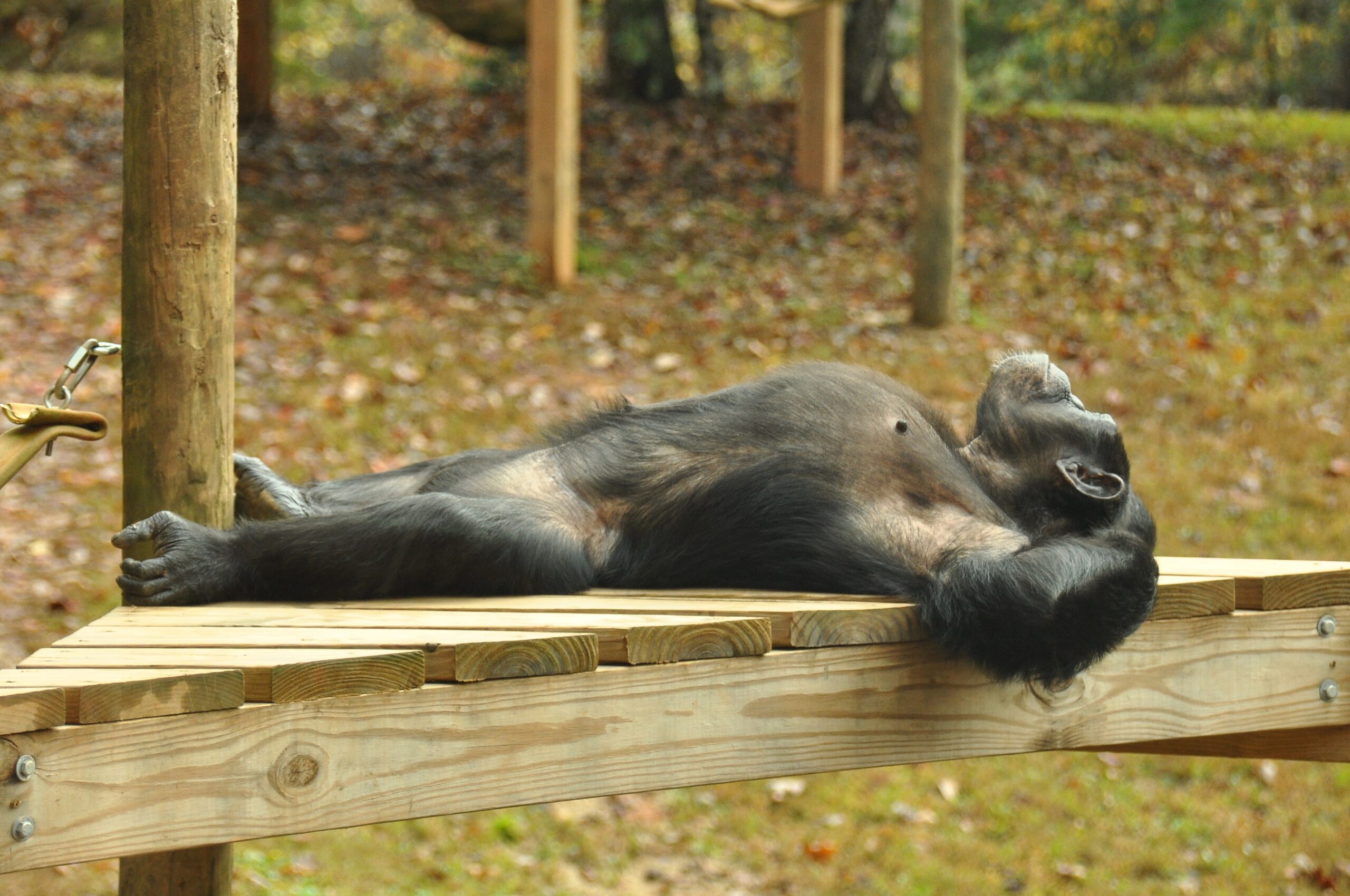
Chimpanzee
Chimpanzees, scientifically known as Pan troglodytes, are one of the most intelligent and remarkable creatures on Earth. As members of the great ape family, they share approximately 98.7% of their DNA with humans, making them our closest living relatives along with bonobos. Native to the forests and savannahs of equatorial Africa, these social and resourceful animals have captivated scientists and wildlife enthusiasts alike for decades. In this comprehensive article, we’ll dive into the fascinating world of chimpanzees, exploring their biology, social behavior, communication skills, habitat, and the conservation challenges they face.
The Evolutionary Significance of Chimpanzees
Chimpanzees play a crucial role in our understanding of human evolution. By studying their behavior, social structures, and cognitive abilities, scientists have been able to gain insights into the origins of human traits.
Close Genetic Relationship with Humans
Chimpanzees and humans diverged from a common ancestor around 5 to 7 million years ago. Despite millions of years of evolution, the genetic similarity between the two species remains remarkably high. This genetic closeness is why chimpanzees share many physiological and cognitive traits with humans.
Their genetic makeup has also made them valuable subjects for medical research. Understanding their immune systems and genetic responses has contributed to advancements in medicine, particularly in areas like infectious diseases and neuroscience.
Comparative Studies in Behavior
Observing chimpanzees in their natural habitat has provided essential insights into human-like behaviors, including tool use, problem-solving, and emotional expressions. Their ability to cooperate, empathize, and even deceive mirrors aspects of human social interactions.
Scientists have also noted that chimpanzees exhibit cultural differences. Different groups have unique customs and tool-using techniques, which are passed down through generations, much like human cultures.
What Chimpanzees Teach Us About Evolution
The study of chimpanzees has challenged traditional ideas about what makes humans unique. Traits once thought to be exclusive to humans, such as the ability to use tools, exhibit empathy, and form complex social bonds, are also present in chimpanzees. This has led to a broader understanding of the evolutionary continuum between humans and other primates.
Physical Characteristics of Chimpanzees
Chimpanzees have distinctive physical features that set them apart from other primates. Understanding their anatomy helps us appreciate their adaptability and survival strategies in diverse environments.
Body Structure and Size
Adult chimpanzees typically stand between 3 to 4 feet tall when upright and weigh between 70 to 130 pounds, with males generally being larger and more robust than females. Their muscular build and long arms, which extend beyond their knees, make them well-suited for climbing and swinging through trees.
Their bodies are covered in coarse black or brown hair, except for their faces, palms, and the soles of their feet. As they age, their hair may become sparser, and their faces often develop wrinkles.
Hands and Feet
One of the most remarkable physical traits of chimpanzees is their dexterous hands. Like humans, they have opposable thumbs, which allow them to grasp objects, manipulate tools, and perform intricate tasks. Their feet also have opposable big toes, making them adept climbers.
The combination of powerful limbs and flexible joints enables chimpanzees to move efficiently both on the ground and in trees. They primarily use a form of locomotion known as knuckle-walking but can also walk bipedally for short distances.
Facial Features and Expressions
Chimpanzees have expressive faces that can convey a wide range of emotions, including joy, fear, anger, and sadness. Their ability to communicate through facial expressions is a vital aspect of their social interactions and helps maintain group cohesion.
Social Structure and Behavior
Chimpanzees are highly social animals that live in complex communities ranging from 20 to over 100 individuals. Their social structures are dynamic and based on intricate relationships and hierarchies.
Group Dynamics
Chimpanzee communities are typically led by an alpha male, who gains and maintains his position through a combination of strength, intelligence, and social alliances. The alpha male’s role includes mediating conflicts, leading group activities, and protecting the community from threats.
Females play crucial roles within the group as well. They are responsible for nurturing offspring and often form close bonds with other females and males.
Communication and Cooperation
Chimpanzees communicate through a combination of vocalizations, gestures, and facial expressions. Their vocal repertoire includes pant-hoots, screams, and grunts, each serving a specific purpose, such as signaling danger or expressing excitement.
Cooperation is a hallmark of chimpanzee society. They work together to hunt, share food, and defend their territory. Grooming is another essential aspect of their social life, strengthening bonds and maintaining group harmony.
Problem-Solving and Tool Use
One of the most impressive aspects of chimpanzee behavior is their ability to use tools. They have been observed using sticks to extract termites from mounds, leaves as sponges to collect water, and rocks to crack open nuts.
Their problem-solving skills demonstrate advanced cognitive abilities, including foresight, planning, and innovation. These traits highlight the remarkable intelligence of chimpanzees and their adaptability to different environmental challenges.
Habitat and Distribution
Chimpanzees are native to the tropical forests and savannahs of equatorial Africa. Their range spans across more than 20 countries, from Senegal in West Africa to Uganda and Tanzania in East Africa.
Preferred Habitats
Chimpanzees thrive in a variety of habitats, including dense rainforests, woodland savannahs, and montane forests. They are highly adaptable and can survive in environments with varying levels of food availability and climatic conditions.
In dense forests, they spend much of their time in the canopy, where they find food and build nests for sleeping. In more open landscapes, they often forage on the ground but still rely on trees for safety and rest.
Nesting Behavior
Chimpanzees build new nests every night, either in trees or on the ground, depending on the habitat. These nests are carefully constructed using branches and leaves to provide a comfortable and secure sleeping platform.
Nesting is a learned behavior, with young chimpanzees observing and mimicking their mothers until they can build their own nests proficiently.
Diet and Foraging Habits
Chimpanzees are omnivorous, with a diet that includes a wide variety of plant and animal foods. Their foraging habits are influenced by seasonal changes and the availability of resources.
Plant-Based Diet
The bulk of a chimpanzee’s diet consists of fruits, leaves, seeds, and flowers. They have a particular fondness for ripe fruits, which provide essential nutrients and energy. When fruits are scarce, they supplement their diet with other plant materials, such as bark and pith.
Insect Consumption
Insects are an important source of protein for chimpanzees. They use tools to extract termites from mounds and will also consume ants, beetles, and other small invertebrates.
Hunting and Meat Consumption
Chimpanzees are skilled hunters and have been observed hunting and consuming a variety of animals, including monkeys, birds, and small mammals. Hunting is often a cooperative effort, with groups of males working together to capture prey.
The sharing of meat after a successful hunt strengthens social bonds and reinforces alliances within the group.
Conservation Status and Threats
Chimpanzees are currently listed as endangered by the International Union for Conservation of Nature (IUCN). Their populations have declined significantly due to habitat loss, hunting, and disease.
Habitat Destruction
Deforestation for agriculture, logging, and infrastructure development has led to the fragmentation and loss of chimpanzee habitats. As their natural environments shrink, chimpanzees are forced into closer contact with human populations, increasing the risk of conflict.
Poaching and Illegal Wildlife Trade
Despite legal protections, chimpanzees are still hunted for bushmeat and captured for the illegal pet trade. Poaching not only threatens individual chimpanzees but also disrupts the social structures of their communities.
Disease Risks
Chimpanzees are susceptible to many of the same diseases as humans, including respiratory infections and Ebola virus. The transmission of diseases between humans and chimpanzees is a growing concern, particularly as ecotourism and research activities bring the two species into closer contact.
Conservation Efforts
Efforts to protect chimpanzees include the establishment of protected areas, anti-poaching initiatives, and community-based conservation programs. Organizations such as the Jane Goodall Institute and the Wildlife Conservation Society work tirelessly to raise awareness and support conservation efforts.
Ecotourism also plays a role in chimpanzee conservation, providing financial incentives for local communities to protect these remarkable animals.
The Ethical Considerations of Research and Captivity
The use of chimpanzees in research and their captivity in zoos and sanctuaries raise important ethical questions.
Research Practices
Historically, chimpanzees were used extensively in biomedical research. However, growing awareness of their cognitive and emotional capacities has led to changes in research practices. Many countries have banned or severely restricted the use of chimpanzees in research.
Sanctuaries and Rehabilitation
Sanctuaries provide a safe haven for chimpanzees rescued from research labs, the pet trade, or other harmful situations. These facilities aim to offer a naturalistic environment where chimpanzees can live out their lives with dignity.
Conclusion
Responsible ecotourism can promote conservation while minimizing the impact on wild chimpanzee populations. Visitors are encouraged to follow guidelines that prioritize the well-being of the animals and their habitats.
YOU MAY ALSO READ
About the Author