Burj Khalifa
Introduction: The Tower That Touched the Sky
The Burj Khalifa is more than just the tallest building in the world. Standing proudly at 828 meters (2,717 feet) in Dubai, this architectural marvel symbolizes ambition, innovation, and the boundless possibilities of modern engineering. Ever since its completion in 2010, the Burj Khalifa has become a global icon, representing Dubai’s rapid rise as a hub of luxury, business, and tourism. But the story of the Burj Khalifa goes far beyond its height. It is a tale of vision, perseverance, engineering genius, and a commitment to pushing human limits.
When most people first see pictures or videos of the Burj Khalifa, they are struck by its sheer scale and elegance. The tower is not just tall; it is a masterpiece of design and planning. Its tapering form, inspired by Islamic architecture, combined with modern engineering innovations, makes it one of the most recognized structures on the planet. The building has inspired awe not just in architects and engineers but also in ordinary people who dream of human ingenuity achieving what once seemed impossible.
In this article, we will explore every aspect of the Burj Khalifa. From its conception and construction to its design, engineering challenges, record-breaking feats, and impact on tourism and culture, this article will provide a thorough understanding of why the Burj Khalifa is truly a modern wonder.
The Vision Behind the Burj Khalifa
Dubai’s Ambition to Become a Global City
Dubai has long been recognized as a city with grand ambitions. By the early 2000s, the city was emerging as a global hub for tourism, business, and luxury. The government wanted a landmark that would cement Dubai’s status as a world-class city. That vision led to the idea of building the tallest skyscraper in the world. The Burj Khalifa was designed not just as a building but as a symbol of Dubai’s aspirations, showcasing the emirate’s growth, wealth, and innovation to a global audience.
The decision to build the Burj Khalifa was also strategic. Dubai’s economy, heavily reliant on oil revenues, was diversifying into tourism, finance, and real estate. A tower of unparalleled height would attract investors, tourists, and media attention, further promoting Dubai as a city of opportunities and luxury. The tower’s construction was part of a broader initiative to develop the Downtown Dubai district, turning the area into a cosmopolitan center for business, leisure, and residential life.
Architectural and Cultural Inspiration
The Burj Khalifa’s design is heavily influenced by Islamic architecture, particularly the Hymenocallis flower, which is known for its symmetrical petals and intricate structure. The design incorporates a spiraling pattern that tapers as the building rises, giving it both stability and aesthetic appeal. This cultural inspiration ensures that the tower does not just dominate the skyline physically but also resonates symbolically with the region’s heritage.
Architect Adrian Smith, of Skidmore, Owings & Merrill (SOM), led the design team. The challenge was to create a structure that was not only record-breaking in height but also visually harmonious, elegant, and functional. The design successfully integrates elements of tradition with modern engineering, making the Burj Khalifa a bridge between heritage and contemporary achievement.
Setting a New Standard in Skyscraper Development
The vision for the Burj Khalifa was not just to break the height record; it was to redefine what skyscrapers could achieve. The developers aimed for a building that would be sustainable, functional, and iconic. It would house residences, offices, hotels, observation decks, restaurants, and entertainment facilities, creating a vertical city within a city. The vision encompassed not only architectural brilliance but also economic, social, and cultural significance.
the Engineering Marvel of the Burj Khalifa
Foundation and Structural System
Constructing a building that rises over 828 meters requires extraordinary engineering. The foundation of the Burj Khalifa is a massive reinforced concrete mat, supported by 192 piles extending over 50 meters into the ground. This ensures stability in Dubai’s desert soil, which is a combination of sand, rock, and weak soil layers. The foundation alone required about 12,500 cubic meters of concrete, highlighting the scale and complexity of the project.
The tower uses a “buttressed core” structural system, which allows it to remain stable against wind and seismic forces while tapering elegantly as it rises. The central core contains reinforced concrete walls and acts as the main structural spine, while wings radiate out, supporting additional floors. This system minimizes lateral forces and ensures that the building remains safe and durable at unprecedented heights.
Materials and Construction Techniques
High-performance concrete was critical for the Burj Khalifa. Ordinary concrete would not withstand the extreme pressure and temperature variations experienced at such heights. Special mixes with additives to increase strength and reduce cracking were developed. The tower also features aluminum and textured stainless steel cladding, giving it its shimmering, modern appearance.
Construction techniques included the use of pumped concrete at record heights, which posed logistical challenges. Concrete had to be transported over 600 meters vertically, requiring specially designed pumps capable of handling high pressures. Construction crews worked around the clock in shifts to ensure precision and maintain the ambitious schedule.
Wind Engineering and Height Challenges
At extreme heights, wind becomes a significant factor. The Burj Khalifa’s tapered, spiraling shape helps to reduce wind forces, creating vortex shedding patterns that minimize swaying. Wind tunnel tests were conducted extensively, with scale models simulating real-world conditions. Engineers designed dampers and other stabilization techniques to ensure comfort for occupants and structural integrity under extreme winds.
The tower also had to consider the effects of temperature fluctuations, desert heat, and humidity. Specialized materials and engineering solutions ensured the building could withstand the harsh desert environment while remaining energy-efficient and safe.
Architectural Features of the Burj Khalifa
The Iconic Exterior
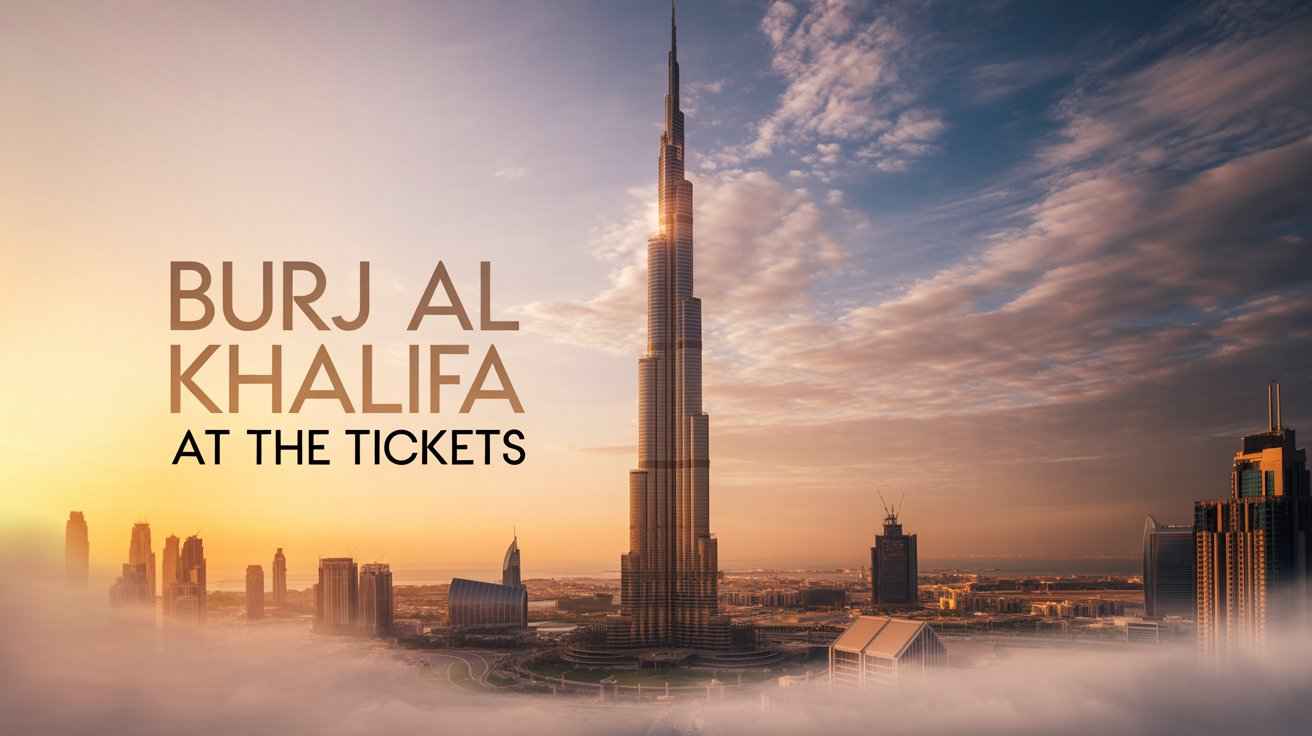
The Burj Khalifa’s exterior is instantly recognizable. Its triple-lobed footprint and tapered, spiral design reflect the Hymenocallis flower while enhancing stability. The cladding consists of reflective glazing, aluminum panels, and textured stainless steel spandrel panels, giving the building a sleek, shimmering appearance under sunlight. At night, the tower transforms into a glowing spectacle, with LED lighting creating stunning visual displays for visitors and the cityscape.
The tower’s height and slender profile make it visible from up to 95 kilometers away, establishing it as a visual anchor in Dubai’s skyline. The exterior design was carefully coordinated with engineering needs, ensuring a seamless blend of beauty and structural necessity.
Observation Decks and Visitor Experience
The Burj Khalifa offers observation decks on levels 124, 125, and 148, providing unparalleled panoramic views of Dubai, the desert, and the Persian Gulf. Visitors can experience elevators traveling at 10 meters per second, making the ascent swift and thrilling. The observation decks feature telescopes, interactive displays, and luxury amenities to enhance the experience.
The observation decks are not just tourist attractions; they reflect the building’s purpose as a landmark and social hub. The experience combines education, entertainment, and awe-inspiring architecture, attracting millions of visitors annually.
Luxury Interiors and Multi-Use Spaces
Inside, the Burj Khalifa features Armani Hotel, luxury residences, corporate offices, and fine dining restaurants. The interiors reflect sophistication and elegance, using high-quality materials and thoughtful design. The tower is a vertical city, with amenities including health clubs, swimming pools, and lounges for residents and guests.
The integration of residential, commercial, and entertainment spaces demonstrates the building’s multifunctional purpose, setting a new standard for skyscraper design globally.
The Construction Journey: Challenges and Achievements
Timeline and Project Management
The Burj Khalifa’s construction began in 2004 and was completed in 2010, an extraordinary timeline for a project of its magnitude. The construction process involved thousands of workers from over 30 countries, working under extreme conditions. Coordinating logistics, materials, and manpower required meticulous planning and advanced project management techniques.
The tower’s completion ahead of schedule in some respects was a testament to efficient organization, innovative solutions, and determination. Daily progress reports, advanced scheduling software, and international coordination ensured every stage of construction proceeded smoothly.
Safety and Workforce Considerations
Safety was a major concern given the building’s height and the intense heat of Dubai’s desert. Workers used specialized equipment, including harnesses, scaffolding, and high-speed elevators designed for construction purposes. Measures were taken to prevent accidents, including rigorous training programs and safety protocols.
The project also had to balance labor efficiency with humanitarian considerations. Dubai’s construction projects often employ migrant workers, and the Burj Khalifa sought to improve safety and working conditions, setting an example for large-scale construction projects.
Record-Breaking Achievements
During construction, the Burj Khalifa set multiple world records, including tallest freestanding structure, highest occupied floor, elevator with longest travel distance, and tallest service elevator. Each record required innovative solutions and collaboration between architects, engineers, and construction teams. These milestones were not just symbolic—they reflected the pioneering spirit that defined the entire project.
The Burj Khalifa’s Cultural and Economic Impact
Tourism and Global Recognition
The Burj Khalifa has become one of the world’s most visited landmarks, attracting millions of tourists annually. Dubai capitalized on this global attraction, integrating the tower into a larger urban development plan that includes The Dubai Mall, Dubai Fountain, and luxury hotels. Visitors are drawn not only to the tower’s height but also to the entire experience of Downtown Dubai.
The tower has also appeared in countless films, advertisements, and media campaigns, solidifying its status as a cultural icon. Its silhouette is now synonymous with Dubai itself, making it a must-see destination for international travelers.
Economic Contributions
The Burj Khalifa has significantly contributed to Dubai’s economy. It boosted the real estate sector by attracting luxury residential investments, enhanced tourism revenues, and created thousands of jobs during construction and post-completion operations. The tower’s presence has also enhanced Dubai’s global brand, positioning the emirate as a hub for business, innovation, and luxury living.
Symbol of Human Ambition
Beyond economics and tourism, the Burj Khalifa symbolizes what humans can achieve when ambition, vision, and engineering converge. It is a beacon of inspiration for architects, engineers, and dreamers worldwide, demonstrating that with determination and creativity, boundaries can be redefined.
Sustainability and Environmental Considerations
Energy Efficiency Measures
Despite its size, the Burj Khalifa incorporates sustainability features, including high-performance glass that reduces heat, reflective cladding, and efficient cooling systems to minimize energy consumption. The tower uses condensate collection to recycle water for irrigation, reducing its environmental footprint.
Challenges of Sustainability in Mega-Towers
Mega-tall buildings face unique environmental challenges, from energy consumption to wind and solar exposure. The Burj Khalifa addresses these challenges with innovative design, but continuous monitoring and upgrades are required to maintain efficiency.
Future Sustainability Goals
Dubai aims to ensure that landmarks like the Burj Khalifa remain environmentally responsible. Plans for renewable energy integration, advanced cooling systems, and smart building technology continue to evolve, ensuring that the tower balances luxury with sustainability.
burj Khalifa in Popular Culture and Media
Film and Television Appearances
The Burj Khalifa has appeared in numerous films, perhaps most famously in “Mission: Impossible – Ghost Protocol”, where Tom Cruise scaled the exterior walls. Its presence in movies, documentaries, and travel shows reinforces its iconic status and inspires global fascination.
Social Media and Photography
The tower is a favorite subject for photographers, influencers, and social media enthusiasts. Its unique silhouette, nighttime illumination, and towering presence make it perfect for dramatic visuals, contributing to Dubai’s image as a modern, luxurious city.
Events and Celebrations
The Burj Khalifa hosts spectacular events, from New Year’s Eve fireworks to special LED displays celebrating cultural or global milestones. These events attract international attention, further embedding the tower in popular culture.
Records Held by the Burj Khalifa
Tallest Building in the World
At 828 meters, the Burj Khalifa holds the record for the tallest building ever constructed. This milestone has yet to be surpassed and remains a benchmark for skyscraper construction worldwide.
Highest Observation Deck and Occupied Floor
The tower’s observation decks, located on levels 124, 125, and 148, set records for the highest outdoor observation deck and the highest occupied floor, offering visitors unmatched views of the city and surroundings.
Engineering and Elevator Records
The Burj Khalifa also features the world’s longest-travel elevators, traveling over 140 floors. The engineering feats required for these elevators demonstrate innovation in high-rise building technology.
Visitor Experience and Tourism
Observation Decks and Tours
Visitors to the Burj Khalifa enjoy multiple levels of observation decks. Level 124 and 125 offer stunning views, while Level 148 provides a premium, glass-encased experience. Interactive displays and telescopes allow tourists to explore Dubai’s skyline in detail.
Dining and Luxury Experiences
The tower offers luxury dining options, including the At.mosphere restaurant on Level 122, providing fine dining with panoramic views. Visitors can combine sightseeing with an exclusive culinary experience.
The Dubai Fountain and Surroundings
The Burj Khalifa is part of Downtown Dubai, surrounded by attractions like The Dubai Mall and the Dubai Fountain. The integration of entertainment, shopping, and architecture creates a holistic tourist experience that draws millions annually.
Future Prospects and Ongoing Influence
New Skyscrapers and Dubai’s Skyline
While the Burj Khalifa remains the tallest, new mega-towers are being planned worldwide. Its influence on global skyscraper design is undeniable, inspiring architects to push boundaries and rethink vertical urban planning.
Technological Innovations Inspired by Burj Khalifa
The engineering solutions used in the Burj Khalifa, from high-performance concrete to wind engineering, are now referenced in skyscrapers worldwide. It set a new standard for safety, efficiency, and aesthetics in high-rise construction.
Continued Cultural and Global Relevance
The Burj Khalifa continues to be a symbol of ambition and progress. As Dubai evolves, the tower remains the central icon, embodying human creativity and the spirit of modern engineering marvels.
Conclusion: Burj Khalifa, A Modern Wonder
The Burj Khalifa is not just the tallest building in the world—it is an enduring symbol of human ambition, ingenuity, and aesthetic vision. From its conception and engineering challenges to its cultural significance and role in tourism, it represents a new era of urban development and architectural excellence. The tower’s impact extends far beyond Dubai, inspiring architects, engineers, and dreamers worldwide. Even years after its completion, the Burj Khalifa continues to define skylines, push technological boundaries, and symbolize what is possible when vision meets action. In every way, it stands as a modern wonder of the world.
YOU MAY ALSO READ
About the Author