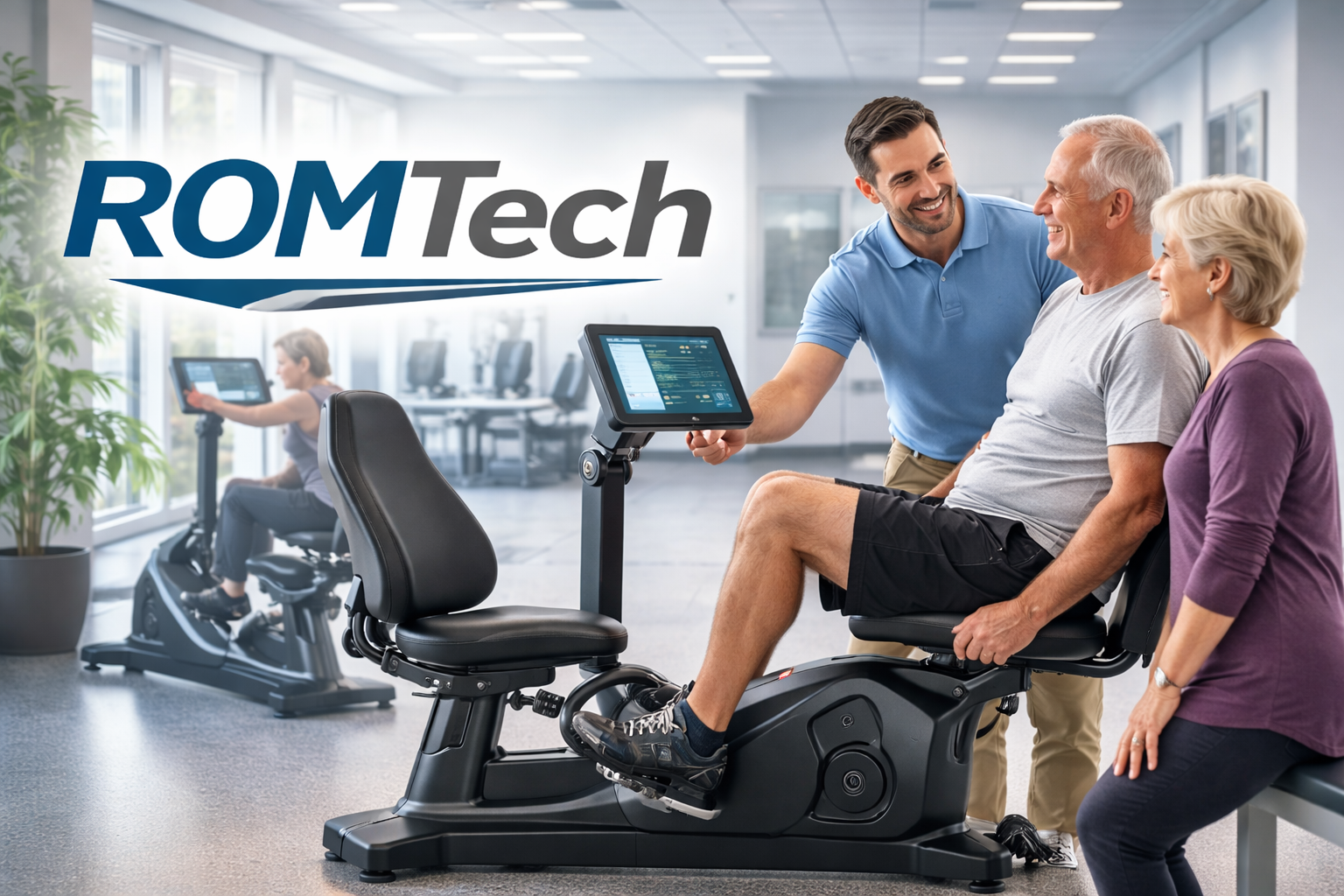
ROMTech
In the rapidly evolving world of medical technology, few companies have sparked as much debate as ROMTech. Touted as a revolutionary force in post-operative rehabilitation, particularly for knee and hip surgeries, ROMTech’s flagship product, the PortableConnect®, promises to transform patient recovery through telehealth solutions. However, beneath the surface of innovation lies a complex web of controversies, ranging from aggressive marketing tactics to allegations of unethical practices.
The Genesis of ROMTech: A Vision for Telehealth Rehabilitation
ROMTech, short for Range of Motion Technologies, emerged with a mission to revolutionize the rehabilitation process for patients recovering from orthopedic surgeries. Recognizing the challenges patients face in accessing consistent and effective physical therapy, especially post knee or hip replacements, ROMTech introduced the PortableConnect®. This device aimed to bridge the gap between patients and therapists, offering remote monitoring and guided exercises to enhance recovery outcomes.
The concept was timely. With the global shift towards telehealth, exacerbated by the COVID-19 pandemic, there was a pressing need for solutions that could deliver quality care remotely. ROMTech positioned itself at the intersection of this demand, promising not just convenience but also improved clinical outcomes.
Initial feedback from some quarters was positive. Patients appreciated the ability to undergo therapy sessions from the comfort of their homes, and some clinicians noted improved adherence to rehabilitation protocols. However, as the company expanded its reach, cracks began to appear in its façade.
The PortableConnect®: Innovation Meets Skepticism
At the heart of ROMTech’s offerings is the PortableConnect®, a device designed to facilitate remote physical therapy. Equipped with sensors and connectivity features, it allows therapists to monitor patients’ progress in real-time, adjusting exercises and providing feedback as needed. The promise was clear: enhanced recovery, reduced hospital visits, and personalized care.
However, not all feedback has been glowing. Some patients reported challenges with the device’s functionality, citing issues with connectivity and user interface. Others questioned the efficacy of remote therapy compared to traditional in-person sessions. Furthermore, concerns were raised about the device’s cost, with some patients alleging unexpected charges and difficulties with insurance reimbursements.
Clinicians, too, expressed reservations. While the idea of remote monitoring was appealing, some therapists felt that the device couldn’t fully replicate the nuances of in-person assessments. The lack of tactile feedback and the inability to adjust exercises in real-time were cited as significant limitations.
3. Marketing Tactics: Aggressive Outreach or Unethical Practices?
One of the most contentious aspects of ROMTech’s operations has been its marketing strategy. Numerous reports have surfaced about the company’s aggressive outreach, particularly towards medical professionals. Physicians have reported unsolicited calls and messages, with representatives urging them to invest in the company or recommend the PortableConnect® to patients.
Such tactics have raised eyebrows. On platforms like Reddit and Fishbowl, professionals have shared experiences of being contacted without prior engagement, leading to concerns about data privacy and the ethics of cold-calling medical practitioners. Some have even questioned the legality of these approaches, suggesting potential violations of securities regulations.
Patients, too, have voiced concerns. Some allege being pressured into using the device, with representatives emphasizing its necessity without adequately discussing alternatives. There have also been claims of misleading information regarding insurance coverage, leading to unexpected out-of-pocket expenses.
Employee Experiences: A Glimpse Behind the Curtain
While external feedback provides one perspective, insights from former and current employees offer a deeper understanding of ROMTech’s internal operations. Reviews on platforms like Glassdoor paint a mixed picture. Some employees commend the company’s mission and the potential of its products. However, many highlight issues related to management, workplace culture, and operational inefficiencies.
A recurring theme in these reviews is the company’s micromanagement style. Employees describe a lack of autonomy, with decisions often centralized and little room for innovation or feedback. Additionally, concerns about high turnover rates, inadequate training, and unrealistic performance expectations have been raised.
Such internal challenges inevitably impact external operations. Disgruntled employees can lead to inconsistent customer service, delays in product delivery, and a general decline in organizational efficiency. For a company positioning itself as a leader in healthcare innovation, these issues are particularly concerning.
Financial Transparency and Investment Concerns
ROMTech’s financial dealings have also come under scrutiny. While the company remains privately held, its aggressive pursuit of investments, especially from medical professionals, has raised questions. Some investors have expressed concerns about the lack of transparency regarding the company’s financial health, revenue streams, and long-term viability.
There have been reports of investors being promised significant returns, only to find themselves in the dark about the company’s performance. The absence of regular financial disclosures, coupled with the company’s reluctance to share detailed business plans, has led to skepticism among potential stakeholders.
Furthermore, the intertwining of investment pitches with product promotions blurs ethical lines. When medical professionals are approached both as potential investors and as channels to promote the product, conflicts of interest arise, potentially compromising patient care decisions.
Regulatory Challenges and Legal Entanglements
Given the nature of its operations, ROMTech operates in a heavily regulated environment. Medical devices, especially those involved in patient care, are subject to stringent oversight to ensure safety and efficacy. However, ROMTech’s journey hasn’t been without regulatory hiccups.
There have been instances where the company’s marketing claims were challenged, with authorities questioning the evidence backing certain assertions about the PortableConnect®’s effectiveness. Additionally, issues related to billing practices, insurance claims, and patient consent have surfaced, leading to investigations and, in some cases, legal actions.
Such challenges not only strain the company’s resources but also erode trust among stakeholders. For patients and medical professionals, confidence in a medical device is paramount. Regulatory infractions, even if minor, can significantly impact a company’s reputation and market position.
Patient Experiences: Stories of Hope and Disillusionment
At the core of ROMTech’s mission are the patients it aims to serve. Their experiences offer the most poignant insights into the company’s impact. While some patients have reported positive outcomes, praising the convenience and effectiveness of the PortableConnect®, others have shared tales of frustration and disappointment.
Common grievances include difficulties in obtaining the device, lack of support during setup, and challenges in integrating the therapy into their recovery routines. Some patients felt abandoned once the device was delivered, with minimal follow-up or guidance. Others faced unexpected costs, with insurance coverage not aligning with initial assurances.
These mixed experiences underscore the importance of comprehensive patient support. A medical device, no matter how advanced, is only as effective as the ecosystem supporting it. Without adequate training, follow-up, and transparent communication, even the most innovative tools can fall short of their potential.
The Broader Implications: Trust in Medical Innovations
The controversies surrounding ROMTech highlight broader challenges in the medical technology sector. As companies race to innovate and capture market share, the balance between profit motives and patient welfare becomes precarious. Aggressive marketing, opaque financial practices, and inadequate patient support can undermine the very advancements these companies aim to deliver.
For the healthcare industry, trust is foundational. Patients and professionals alike rely on the integrity of medical devices and the companies behind them. When that trust is compromised, it not only affects individual companies but also casts a shadow over the entire sector.
ROMTech’s journey serves as a cautionary tale, emphasizing the need for transparency, ethical practices, and a genuine commitment to patient well-being. As the company navigates its challenges, its actions will undoubtedly influence perceptions of medical technology innovations in the years to come.
Conclusion
ROMTech‘s story is one of ambition, innovation, and controversy. While its vision to transform post-operative rehabilitation is commendable, the execution has been marred by questionable practices and unmet promises. For stakeholders—be it patients, medical professionals, or investors—the company’s trajectory offers valuable lessons on the importance of ethics, transparency, and unwavering commitment to those it aims to serve.
YOU MAY ALSO READ
About the Author