Knicks
Introduction: Why the Knicks Matter More Than Just Basketball
When people talk about basketball franchises that define an entire city’s personality, the New York Knicks almost always come up first. The Knicks are not just another NBA team competing for championships; they are a cultural institution deeply woven into the identity of New York City itself. From Madison Square Garden’s electric atmosphere to decades of unforgettable players and dramatic seasons, the Knicks represent resilience, passion, and the relentless spirit of New Yorkers.
Unlike many teams that are judged solely by trophies, the Knicks hold a unique place in sports history because their influence extends far beyond wins and losses. Even during challenging seasons, they remain one of the most talked-about franchises in professional sports. Fans, analysts, celebrities, and former players continue to discuss the team year-round, proving that relevance is not always tied to championships alone.
The Knicks’ story is also a reflection of basketball’s evolution. Over the decades, the team has experienced golden eras, painful rebuilding phases, superstar arrivals, and controversial decisions. Each chapter adds another layer to a franchise narrative that feels almost cinematic. Understanding the Knicks means understanding how sports intersect with culture, media, business, and urban identity.
The Birth of the Knicks: Origins in Early Professional Basketball
The New York Knicks were founded in 1946, making them one of the oldest teams in professional basketball history. They were part of the original Basketball Association of America, which later merged into what we now know as the National Basketball Association. From the beginning, the franchise aimed to represent New York’s competitive energy and diverse population.
The team’s name, “Knickerbockers,” comes from a historical nickname for early Dutch settlers in New York. While the full name is rarely used today, it reflects the organization’s intention to connect the team with the city’s heritage. Shortened to “Knicks,” the name quickly became iconic, symbolizing tradition mixed with modern sports entertainment.
In the early years, professional basketball was still finding its identity. Arenas were smaller, media coverage was limited, and player salaries were modest compared to today’s standards. Yet even in this environment, the Knicks established themselves as a stable and respected franchise. Their presence in New York helped legitimize professional basketball as a major spectator sport.
Madison Square Garden: The World’s Most Famous Arena
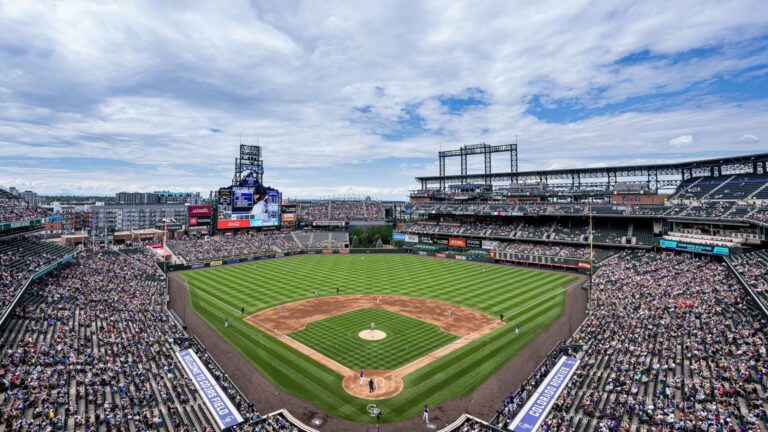
No discussion about the Knicks is complete without mentioning Madison Square Garden, often called “The World’s Most Famous Arena.” Located in Manhattan, the venue serves as more than just a home court — it is a global stage where sports, music, and entertainment collide.
Playing at Madison Square Garden gives the Knicks a distinct advantage in visibility. Every game feels like an event. Celebrities sit courtside, media coverage is intense, and visiting players often describe the experience as unforgettable. For many athletes, performing well at MSG carries symbolic importance, almost like proving oneself under the brightest spotlight.
The arena’s atmosphere has shaped the identity of Knicks basketball. Fans are known for being knowledgeable and brutally honest. They celebrate excellence passionately but also hold players accountable when expectations are not met. This demanding environment creates pressure, but it also elevates moments of success into legendary status.
The Golden Era of the 1970s
The Knicks reached their peak during the early 1970s, a period widely considered the franchise’s golden age. Led by legendary coach Red Holzman, the team built a system based on teamwork, defensive discipline, and unselfish play rather than individual stardom.
Players like Willis Reed, Walt Frazier, and Bill Bradley became symbols of intelligent basketball. Their chemistry and tactical understanding allowed the Knicks to dominate opponents despite lacking a traditional high-scoring superstar compared to other teams of the era.
One of the most iconic moments in NBA history occurred during the 1970 Finals when Willis Reed limped onto the court despite injury, inspiring his teammates and electrifying fans. That emotional moment cemented the Knicks’ reputation as a team defined by heart and determination.
The franchise captured championships in 1970 and 1973, establishing a legacy that still shapes fan expectations today. These titles remain central to Knicks mythology, frequently referenced whenever discussions arise about returning the team to greatness.
The Challenging Years and Changing Identity (1980s)
After the success of the 1970s, the Knicks entered a period of inconsistency throughout the 1980s. Coaching changes, roster instability, and evolving league dynamics made sustained success difficult. However, this decade also introduced one of the most beloved figures in franchise history: Patrick Ewing.
Drafted in 1985, Ewing became the face of the franchise almost immediately. His dominance as a center brought renewed hope to fans longing for a return to championship contention. Ewing’s presence transformed the Knicks into a competitive team once again, emphasizing defense, toughness, and physical play.
Despite strong performances, the team struggled to overcome powerhouse rivals. The rise of teams led by legends like Michael Jordan created intense competition in the Eastern Conference. While championships remained elusive, the Knicks regained credibility and developed a defensive identity that would define the next era.
The 1990s Rivalries: Heartbreak and Heroics
The 1990s were arguably the most emotionally charged period in Knicks history. Under coach Pat Riley, the team adopted a gritty, defense-first philosophy that perfectly matched New York’s blue-collar attitude.
Rivalries with teams like the Chicago Bulls and Indiana Pacers became legendary. Games were intense, physical, and often dramatic, creating unforgettable playoff battles that defined an entire generation of basketball fans.
Players such as John Starks, Charles Oakley, and Latrell Sprewell embodied toughness and determination. The Knicks consistently contended for the title, reaching the NBA Finals in 1994 and again in 1999.
Although championships slipped away, these teams earned lasting respect. Fans still view the 1990s Knicks as the embodiment of effort, defense, and collective pride — qualities many believe define true New York basketball.
The Early 2000s: Decline and Organizational Struggles
Entering the 2000s, the Knicks faced one of the most difficult periods in franchise history. Poor roster decisions, expensive contracts, and frequent management changes led to years of disappointing performances. The team struggled to maintain a clear direction, resulting in missed playoff opportunities and declining fan morale.
During this time, expectations remained high because of the team’s market size and history. Media scrutiny intensified, and every decision became headline news. Unlike smaller-market teams, the Knicks could not quietly rebuild; every move was analyzed in real time by national audiences.
Despite struggles, the franchise maintained enormous financial value and global recognition. This paradox — losing seasons combined with massive popularity — highlighted the Knicks’ unique position in professional sports. Even when they were not winning, they remained central to NBA conversations
Carmelo Anthony Era: Hope Returns to New York
A major turning point arrived with the acquisition of Carmelo Anthony in 2011. One of the league’s premier scorers, Anthony brought star power and renewed excitement to Madison Square Garden.
The Knicks experienced a resurgence, highlighted by a strong 2012–13 season that saw the team win the Atlantic Division title. Anthony’s scoring ability and leadership reinvigorated fan enthusiasm and restored national attention to Knicks basketball.
However, building consistent success around a superstar proved challenging. Injuries, roster changes, and strategic adjustments prevented long-term stability. Still, Anthony’s era remains memorable for reconnecting the franchise with competitive basketball after years of frustration.
YOU MAY ALSO READ
About the Author