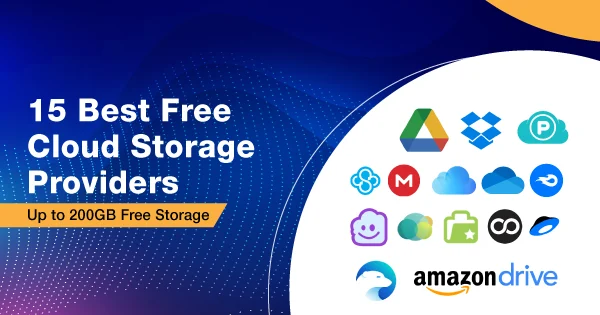
FREE CLOUD STORAGE
Introduction: Why Free Cloud Storage Matters More Than Ever
In the age where our phones act like portable hard drives and our laptops keep screaming “Low Storage!” every month, cloud storage has quietly become the real MVP of digital life. The concept itself sounds magical — your files floating somewhere in a secure digital universe, retrievable anytime, anywhere. And the best part? Many of these services don’t even charge you a single rupee or dollar to get started. Free cloud storage is essentially the fuel keeping everyone running smoothly, from students saving assignments to professionals backing up critical documents to families preserving memories that would otherwise disappear with the next lost USB or dying phone.
But here’s the thing: not all free cloud storage services are built the same. Some give you generous space but limited features. Others provide top-tier functionality but only a tiny storage allowance. A few promise “free forever” and then nudge you into upgrading later. And some just disappear entirely (RIP to those forgotten 2010s cloud startups). So understanding what these services actually offer — and what you should realistically expect — is crucial if you want to store your files without headaches.
Another reason free cloud storage matters today is the incredible convenience it brings to daily life. Gone are the days when you had to carry USB flash drives that randomly corrupted your files or figure out external hard drives that stopped working after a minor drop. With cloud storage, even if your phone falls into water or your laptop decides to give up on life, your files remain safe and accessible. That peace of mind alone is worth exploring what the free tier of cloud platforms can offer. And once you understand it, you’ll start wondering how you lived without it for so long.
In the following sections, we’ll dive deep into how cloud storage works, the best free providers, how to choose the right one for your needs, and what hidden limitations you should look out for. By the time you’re done with this guide, you’ll know exactly how to make the most out of free cloud storage, where to put your important files, and when it’s actually worth upgrading to a paid plan. So buckle up — this is your ultimate, expert-powered but chill guide to free cloud storage.
What Exactly Is Free Cloud Storage?
Free cloud storage is basically online space offered by companies where users can upload files without paying anything. Think of it as a digital locker that sits on someone else’s computer (a server), but is accessible to you over the internet. When tech companies give you free cloud storage, they’re essentially giving you a little slice of their massive, secure data centers. You get to use that space to save your photos, videos, documents, backups, notes, and anything else you don’t want to lose.
At the surface level, “free” cloud storage feels straightforward — you create an account, you get some GBs, and you start uploading stuff. But the reason companies offer free storage is strategic. It’s part marketing and part service. Free tiers let people explore the platform, try out the app, and eventually upgrade if they like the experience. So when you receive your complimentary 5GB, 10GB, or even 20GB, you’re not just getting generosity — you’re entering the company’s ecosystem. They hope you’ll stick around long enough to convince yourself to invest in more storage.
But regardless of the marketing angle, the free tier is genuinely valuable. Most people don’t actually need huge amounts of space for casual usage. A few gigabytes can easily handle school documents, scanned PDFs, notes, and even hundreds of photos. And if you’re clever, you can use multiple free cloud accounts to multiply your storage without paying anything at all. Many users actually do this: Google Drive for documents, Dropbox for work files, MEGA for large uploads, and iCloud for phone backups. The beauty of cloud storage is that you don’t have to lock yourself to just one service.
Another thing that makes free cloud storage handy is its universal compatibility. Whether you’re using Windows, macOS, Android, or iOS, most cloud platforms offer smooth integration. You can upload from your phone and download from your laptop. You can save from apps directly to your cloud folders. And because these services operate online, you never have to worry about your device running out of space — you can simply offload files to the cloud anytime. It’s flexible, convenient, and honestly one of the best digital tools available for everyone right now.
How Free Cloud Storage Works Behind the Scenes
When you upload a file to a cloud storage provider, the process feels instant and simple. But behind the scenes, there’s a surprisingly complex and fascinating system making it all happen. First, your file gets broken into small encrypted chunks. These chunks are then transferred securely over the internet and stored across multiple servers in massive data centers. That’s why cloud storage is so reliable — even if one server crashes, your data is still safe because copies of those chunks exist somewhere else.
The encryption part is especially important. Most major cloud services encrypt your files during transfer and while stored on their servers. This means that even if someone intercepted the data mid-transfer, they wouldn’t be able to read it. Encryption ensures that no unauthorized person can see your photos, documents, or anything else you upload. Some platforms use basic encryption, while others offer end-to-end encryption, meaning even the company itself can’t read your files. This is particularly important if you’re storing sensitive documents.
Another part of how cloud storage works is synchronization. When you install a cloud app on your phone or laptop, it creates a special folder that is constantly monitored. Every time you add, delete, or modify a file, the app communicates with the server and updates your cloud copy. This is why cloud systems feel so seamless — you don’t have to manually upload everything. The syncing system keeps your files up to date across all devices in real time. If you shoot a picture on your phone, it appears on your laptop within seconds. If you edit a document on your computer, those changes instantly reflect on your phone.
Lastly, cloud platforms use smart optimization to keep things fast. They cache frequently accessed files, compress data during transfer, and maintain multiple global server locations. This is why uploading something to Google Drive from Pakistan feels just as smooth as uploading it from the United States — the service automatically routes your data to the nearest available server. All these invisible processes working together are what make cloud storage feel effortless and magical
The Benefits of Using Free Cloud Storage
Free cloud storage offers dozens of benefits, which is why millions of people rely on it daily. One of the biggest advantages is cost. You don’t need to buy a physical hard drive, pay for maintenance, or worry about device failures. A free cloud account gives you instant access to safe storage at no cost. For students, freelancers, and anyone just trying to save money, this is incredibly useful.
Another major benefit is accessibility. With cloud storage, your files are always available no FREE CLOUD STORAGE matter where you are. You can start a project on your laptop at home, continue it on your phone at a café, and finish it on a school computer — all without carrying any USB drives. This kind of flexibility helps you stay productive and organized. You’re no longer tied to a single device, and your important files never become unreachable.
Security is yet another advantage. Many people think storing files on their device is safer, but that’s not always true. Devices can get lost, stolen, damaged, or infected with malware. Cloud platforms, on the other hand, have advanced security measures that protect your data more effectively than most personal devices can. They use encryption, firewalls, and redundant backups. Even if one server fails, your files stay intact because cloud systems store copies across multiple locations.
Then there’s the organizational benefit. Cloud platforms often come with built-in tools that help you sort, search, and manage your files more efficiently. Some services automatically categorize your photos, detect duplicates, or allow you to edit documents directly inside the cloud. Others help you share files easily through links, making collaboration smooth and fast. Whether you’re working on a school group project or sharing family vacation pictures, cloud storage makes the whole process effortless.
YOU MAY ALSO READ
About the Author