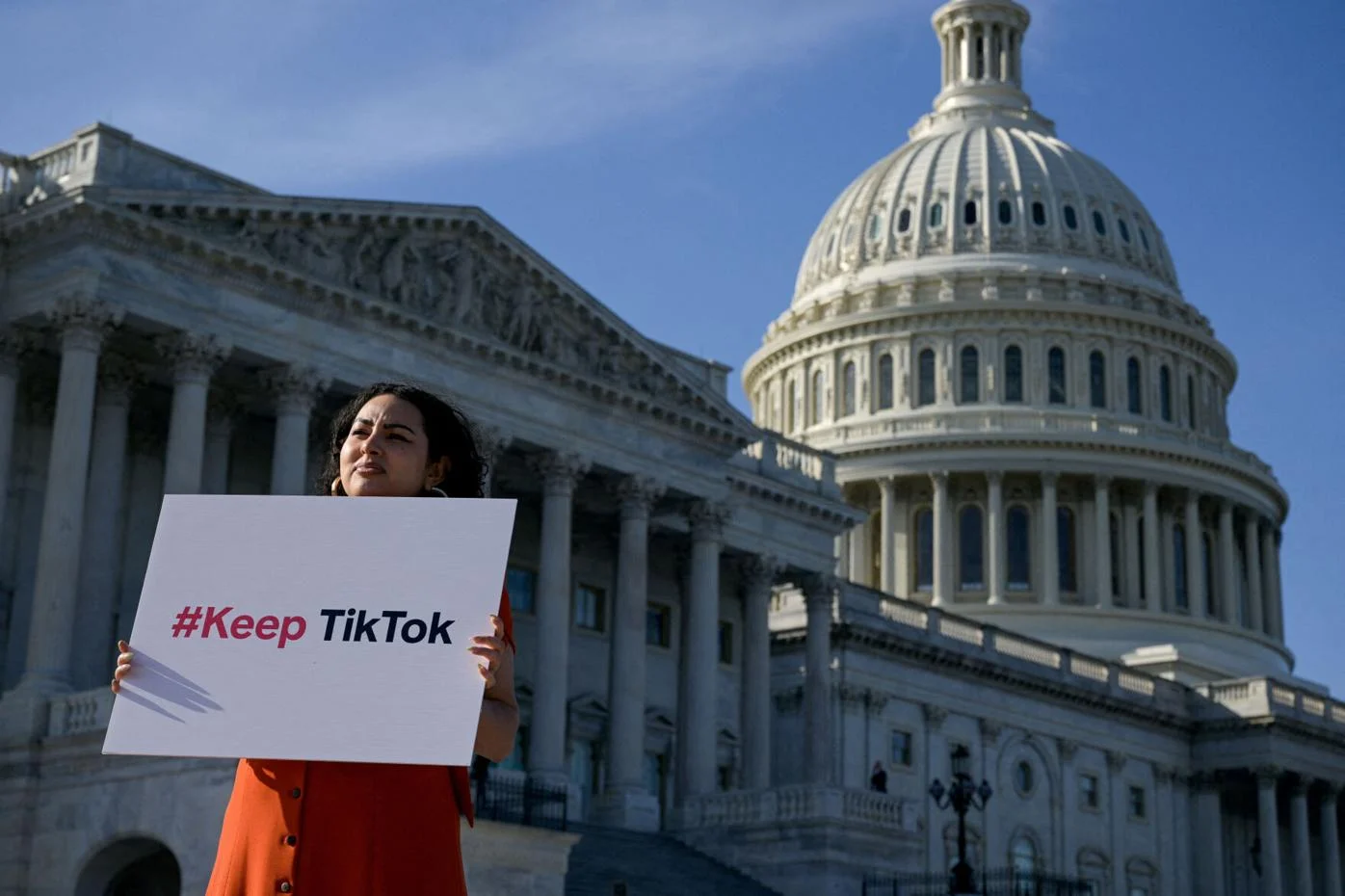
TikTok Ban
Introduction: Why the TikTok Ban Became a Global Conversation
Over the last few years, few digital topics have sparked as much debate as the idea of a TikTok ban. What started as a niche concern among policymakers quickly turned into a global discussion involving governments, tech companies, creators, businesses, and millions of everyday users. TikTok is not just an app anymore — it’s a cultural force shaping trends, marketing, entertainment, education, and even politics. So when governments began talking about banning or restricting it, people paid attention.
The debate around the TikTok ban isn’t only about short videos or viral dances. At its core, it raises deeper questions about privacy, national security, algorithm control, and who should own the platforms that influence public opinion. Governments in multiple countries have expressed concerns about how user data is handled, while supporters of the platform argue that banning an app sets a risky precedent for internet freedom and global digital exchange.
This makes the TikTok ban an important case study in the modern tech world. It shows what happens when technology, geopolitics, and social media collide. Understanding this issue requires looking beyond headlines and examining laws, business structures, and global reactions in detail.
In this article, we will break down everything you need to know about the TikTok ban. We’ll explore how it began, what laws were passed, how TikTok responded, and what this entire situation means for the future of social media. The goal is not just to explain what happened but to help you understand why it matters — whether you’re a creator, marketer, business owner, or simply a curious user.
What Is TikTok and Why Is It So Powerful?
To understand why governments even considered banning TikTok, we first need to understand why the platform became so influential. TikTok transformed how people consume content online by prioritizing short-form videos driven by a highly advanced recommendation algorithm. Unlike traditional social media platforms where people mainly follow friends, TikTok’s “For You” feed quickly learns what users enjoy and delivers hyper-personalized content.
This algorithmic approach turned unknown creators into overnight sensations. Anyone could go viral regardless of follower count, and that changed the creator economy completely. Businesses found new ways to market products through trends and challenges, while educators and professionals began using the platform to simplify complex topics in engaging ways.
Another key reason for TikTok’s growth is its design philosophy. The app minimizes friction: videos autoplay instantly, editing tools are built-in, and interaction feels effortless. This keeps users engaged for long periods, making TikTok one of the most addictive social media platforms ever created.
However, the same algorithmic power that made TikTok successful also raised concerns. Governments worried about who controls the recommendation system and whether it could potentially be used to influence public opinion or gather sensitive data. This tension between innovation and security became the foundation of the entire TikTok ban debate.
How the TikTok Ban Discussion Started
The idea of banning TikTok didn’t appear overnight. Concerns began building as geopolitical tensions increased, especially between the United States and China. Because TikTok’s parent company, ByteDance, is based in China, some officials feared that user data might be accessible to foreign authorities — a claim TikTok has consistently disputed.
Early actions focused on government devices rather than the general public. Countries including the U.S., Canada, Denmark, and the European Commission introduced restrictions preventing TikTok from being installed on official government phones, citing cybersecurity and privacy concerns.
These early bans signaled that the issue was becoming serious. Governments argued that even if no proven misuse occurred, the possibility of foreign influence justified preventive action. Critics responded that no public evidence showed the platform being used maliciously, making the debate highly controversial.
As the conversation grew, policymakers began moving from limited restrictions toward broader legislative actions. This shift marked the beginning of real legal pressure on TikTok and its parent company.
The U.S. Law That Changed Everything
The most significant development came when the United States passed the Protecting Americans from Foreign Adversary Controlled Applications Act in 2024. The law required TikTok’s parent company to divest ownership or face an effective ban in the U.S. market.
The law gave ByteDance a deadline to sell TikTok’s U.S. operations. If the company failed to comply, app stores and hosting providers could be forced to stop supporting the platform, effectively removing it from American users. This was not framed as a direct ban on users but as a structural change aimed at ownership and control.
Supporters of the law argued that it protected national security by ensuring major communication platforms were not controlled by entities tied to foreign governments. Opponents argued that the law threatened free speech and set a dangerous precedent for regulating digital platforms.
The debate became intense because TikTok had millions of users in the U.S., including small businesses and creators who relied on the platform for income. The outcome would affect not just a company but an entire digital ecosystem.
Court Battles and Legal Drama
After the law passed, TikTok challenged it in court, arguing that the legislation violated constitutional protections related to free speech. The legal battle quickly became one of the most closely watched tech cases in recent history.
A federal appeals court eventually upheld the law, siding with the government’s national security argument and rejecting TikTok’s claim that the law was unconstitutional. This decision strengthened the government’s position and increased pressure on ByteDance to comply with the divestment requirement.
The case then moved toward higher courts, creating uncertainty for creators and businesses. Many users didn’t know whether the app would disappear, be sold, or continue operating under new ownership. During this period, speculation and misinformation spread widely online, showing how emotionally connected people had become to the platform.
These legal battles demonstrated how difficult it is to regulate global technology companies. Laws designed for national security collided with issues like freedom of expression and digital innovation, creating a complex legal landscape.
Executive Orders and Delays: A Long Negotiation Process
While the law set deadlines, enforcement was repeatedly delayed through executive actions. Government officials allowed extra time for negotiations and restructuring, indicating that regulators preferred a solution that preserved the platform while addressing security concerns.
According to official documents, enforcement deadlines were extended multiple times while a framework for a qualified divestiture was explored. This indicated that policymakers were trying to avoid TikTok Ban abruptly shutting down a widely used platform.
These delays created mixed reactions. Some critics argued that postponements weakened TikTok Ban the law’s credibility, while others said they were necessary to avoid harming users and businesses. For creators and advertisers, the uncertainty made long-term planning difficult.
The negotiation process highlighted a key reality: banning a platform with millions of users is TikTok Ban far more complicated than passing a law. Technical infrastructure, international diplomacy, and economic consequences all had to be considered.
The Restructuring Deal: How TikTok Avoided a Full Ban
Eventually, TikTok announced a restructuring plan involving the creation of a majority U.S.-owned joint venture. Under the agreement, U.S.-based investors gained majority control while ByteDance retained a minority stake.
The deal focused on transferring operational control, data management, and algorithm oversight to a new U.S.-based entity. User data would be stored in American cloud TikTok Ban infrastructure, and oversight mechanisms were introduced to address national security concerns.
This approach allowed governments to claim success in reducing foreign control while keeping the app available to users. For TikTok, it was a compromise that preserved access to one of its largest markets.
The restructuring also reflected a new model of digital diplomacy — where technology companies adapt ownership structures to meet regulatory demands rather than simply leaving markets.
Global Perspective: TikTok Restrictions Around the World
While much attention focused on the U.S., other TikTok Ban countries also implemented restrictions. Many governments banned TikTok on official devices rather than targeting personal users. This included actions by European institutions and several national governments concerned about data security.
These restrictions reveal an important distinction: most governments did not impose nationwide consumer bans. Instead, they focused on limiting use in sensitive environments like government phones or military departments. This suggests that policymakers aimed to reduce risk without fully blocking public access.
The global variation in policies also shows how digital regulation differs by region. Some governments prioritize privacy and security, while others focus more on innovation and open markets.
As social media continues to evolve, similar TikTok Ban discussions may emerge around other platforms, making TikTok an example rather than an exception.
How the TikTok Ban Affected Creators and Businesses
When ban discussions intensified, creators began preparing backup plans. Many started building audiences on other platforms like Instagram Reels, YouTube Shorts, and newer apps. Some even described themselves as “TikTok refugees,” showing how real the uncertainty felt.
For businesses, the risk was significant. TikTok had become a major marketing channel, especially for small brands relying on organic reach. A sudden ban could have disrupted revenue streams, influencer partnerships, and advertising campaigns.
Interestingly, the uncertainty pushed creators to diversify. Instead of relying TikTok Ban on a single platform, many began building cross-platform strategies. This shift may actually strengthen creators in the long term by reducing dependence on one company.
The situation highlighted how deeply TikTok Ban social media platforms are integrated into modern economic systems — far beyond simple entertainment.
The Core Arguments For and Against the Ban
Supporters of restrictions argue that national security should come first. They believe platforms controlled by foreign adversaries could potentially collect data or influence public discourse. Even without concrete evidence, they see precautionary regulation as necessary in a digital age.
Opponents counter that banning or forcing ownership changes threatens TikTok Ban open internet principles. They argue that decisions based on hypothetical risks could lead to censorship and limit global digital collaboration.
Another major argument involves consistency. Critics ask why TikTok faces unique scrutiny when many other apps also collect user data. This raises broader questions about privacy standards across the tech industry.
Ultimately, the debate is not simply about one app. It reflects a larger struggle over how much control governments should have over digital platforms that operate globally.
What the Future of TikTok Looks Like
The restructuring deal suggests that TikTok will likely remain available in key markets, but under closer oversight and potentially different ownership models. However, the story is far from over. Technology laws continue to evolve, and future political changes could reshape the situation again.
For users, this means the app may look mostly the same on the surface while undergoing significant behind-the-scenes changes related to data storage, algorithm management, and governance.
For regulators, TikTok serves as a test case. If this model succeeds, TikTok Ban similar rules might be applied to other apps in the future, especially those with international ownership structures.
The most important takeaway is that social media platforms are no longer seen as simple entertainment tools. They are viewed as infrastructure — something that can influence society at massive scale.
Conclusion
The TikTok ban conversation is ultimately about more than one company. It reflects the growing intersection of technology, politics, and global security. As digital platforms become more powerful, governments will likely continue stepping in to shape how they operate.
For creators and users, the lesson is clear: platforms can change TikTok Ban quickly due to forces beyond trends and algorithms. Building flexibility and adapting to new environments will become increasingly important.
For policymakers, the challenge will be balancing innovation with security without restricting digital freedom. Finding that balance is difficult, but the TikTok case offers valuable lessons for future technology regulation.
Whether you support or oppose the ban, one thing is certain: the TikTok debate marks a turning point in how the world thinks about social media — not just as entertainment, but as a powerful global system that shapes culture, economy, and public conversation.
YOU MAY ALSO READ
About the Author